

Deeku Festival
DeeKu, also known as El Doepawmee, is an important cultural festival celebrated by the Karenni people. More than a harvest celebration, DeeKu commemorates our ancestors’ fight for freedom from oppression and honors Karenni history, resilience, unity, and cultural identity.
The festival is celebrated annually by Karenni communities around the world, including refugee and diaspora communities, typically during September or October.

-
According to Karenni oral tradition, the origins of DeeKu trace back to Kanarmaw Deemawsoekay in Karenni State, where angels known as the Dwe Mae Naw ruled the land.
A child named Shar Tu Phe was born in Noekoe and grew into a brave and honest leader. Recognizing his virtues, the Kanarmaw angels gifted him a sacred sword called Dar Setkyar to protect the land from invaders.
When the Yuan people attempted to conquer the region, Shar Tu Phe defended the land through courage and strategy. Eventually, the Yuan people discovered the weakness of the sacred sword and defeated him. Karenni legend says that after many transformations, Shar Tu Phe’s spirit became the fragrant Tha Zin flower, which remains symbolically important to Karenni people today.
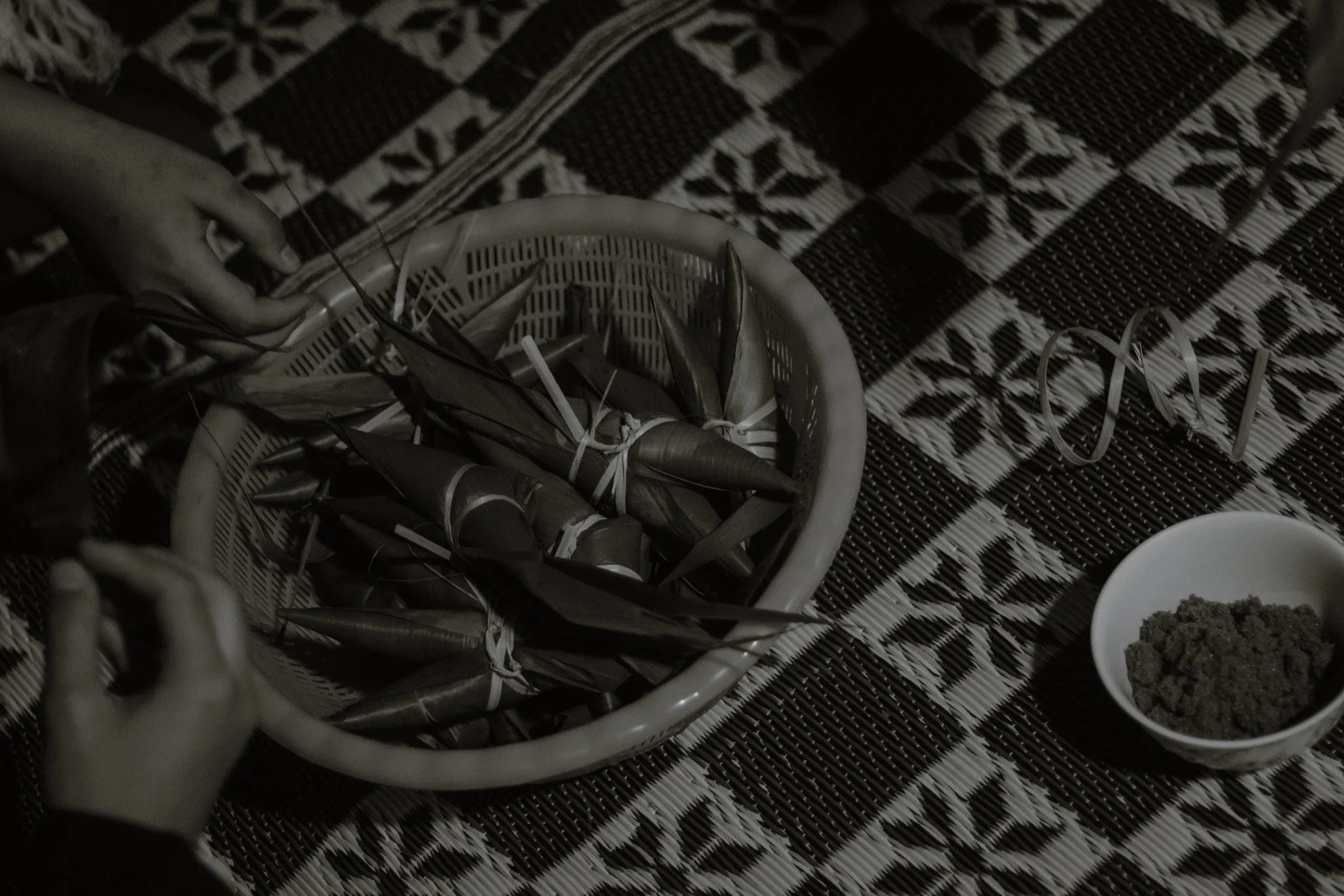
After the occupation of the land, the Karenni people were enslaved but refused to surrender. Led by a young Karenni named Yel Reh, the people united and fought for freedom. During this struggle, they prepared a practical food made from sticky rice wrapped in leaves called DeeKu, which could last for days during battle.
Following their victory, the Karenni people began celebrating DeeKu as a symbol of freedom, resilience, and unity.
-
DeeKu represents:
Freedom from oppression
Unity among Karenni groups
Community resilience
Cultural preservation
Gratitude and remembrance
Intergenerational connection
Traditionally, three DeeKu are boiled together to symbolize the unity among Karenni groups who fought together for freedom.
-
Today, DeeKu is celebrated in Karenni communities worldwide through:
Traditional food preparation
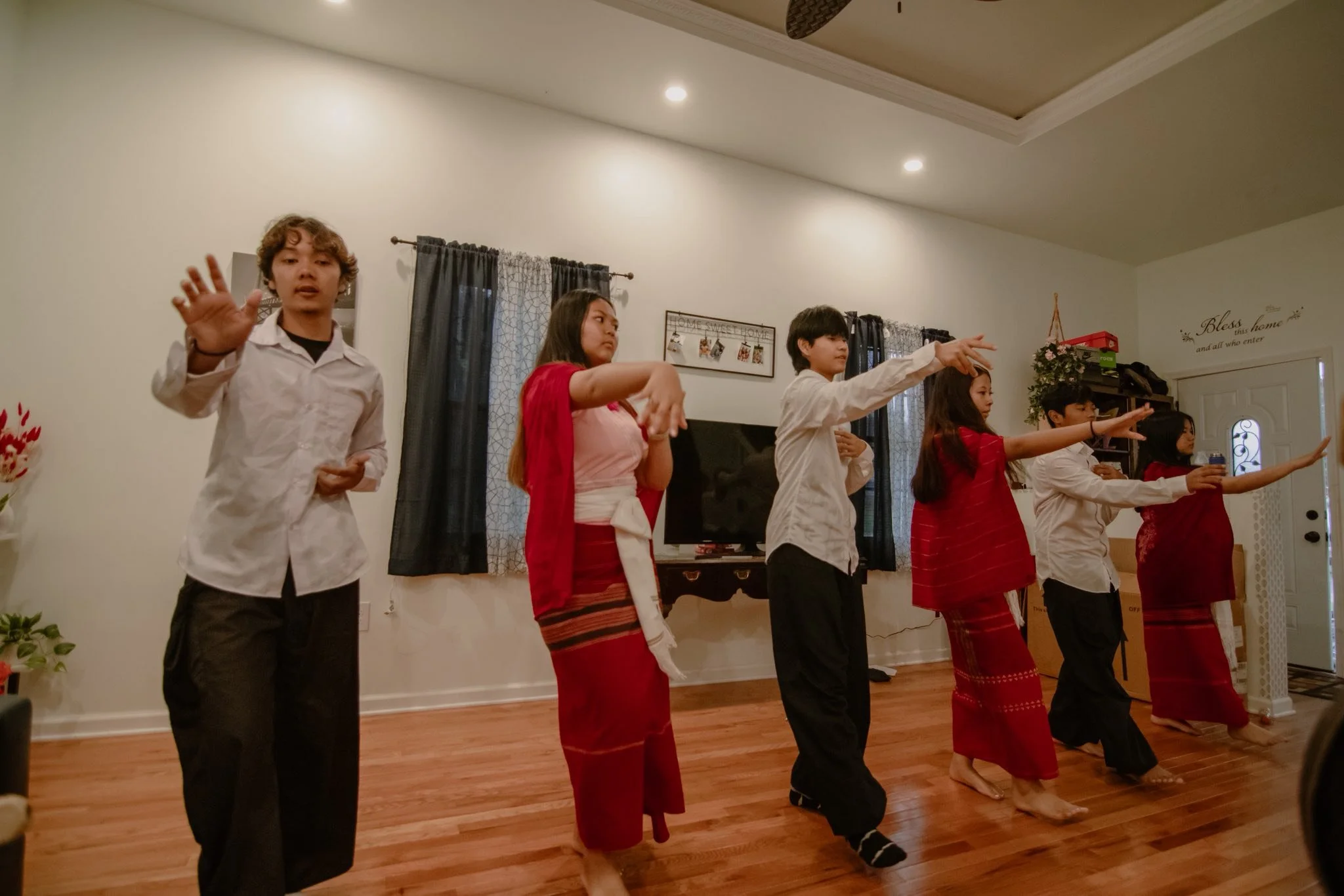
Cultural dances and performances
Music and storytelling
Community gatherings
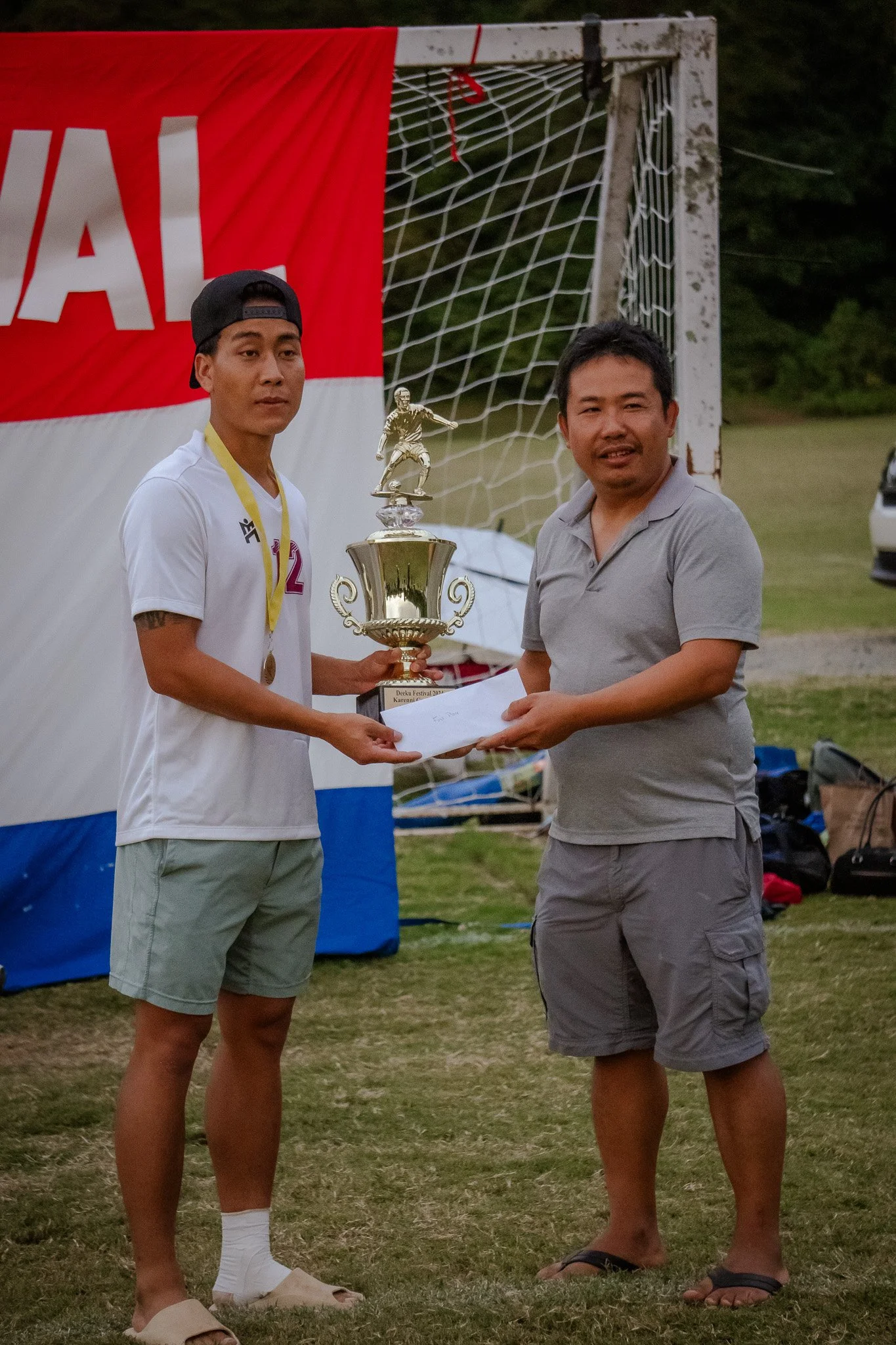
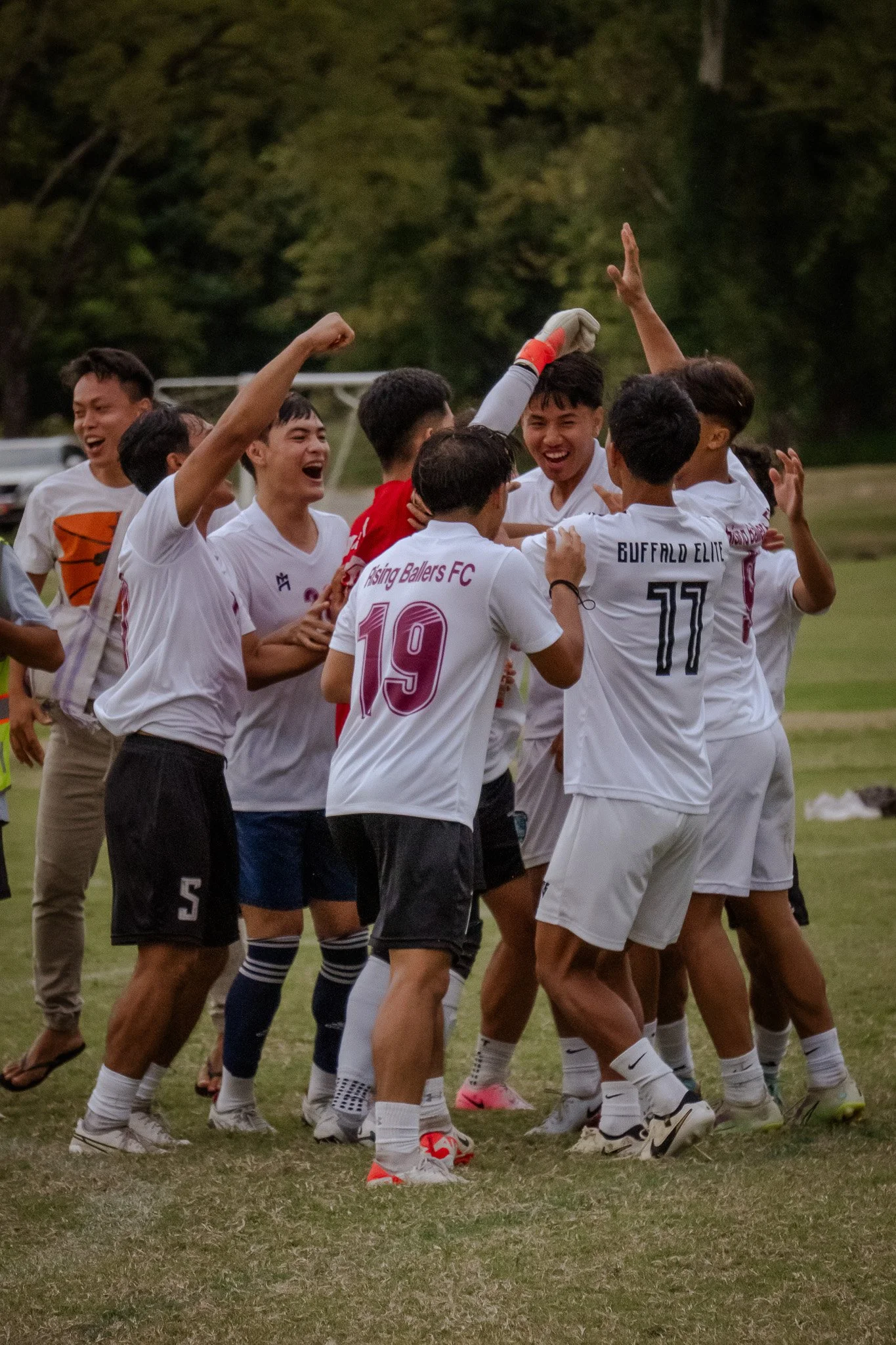
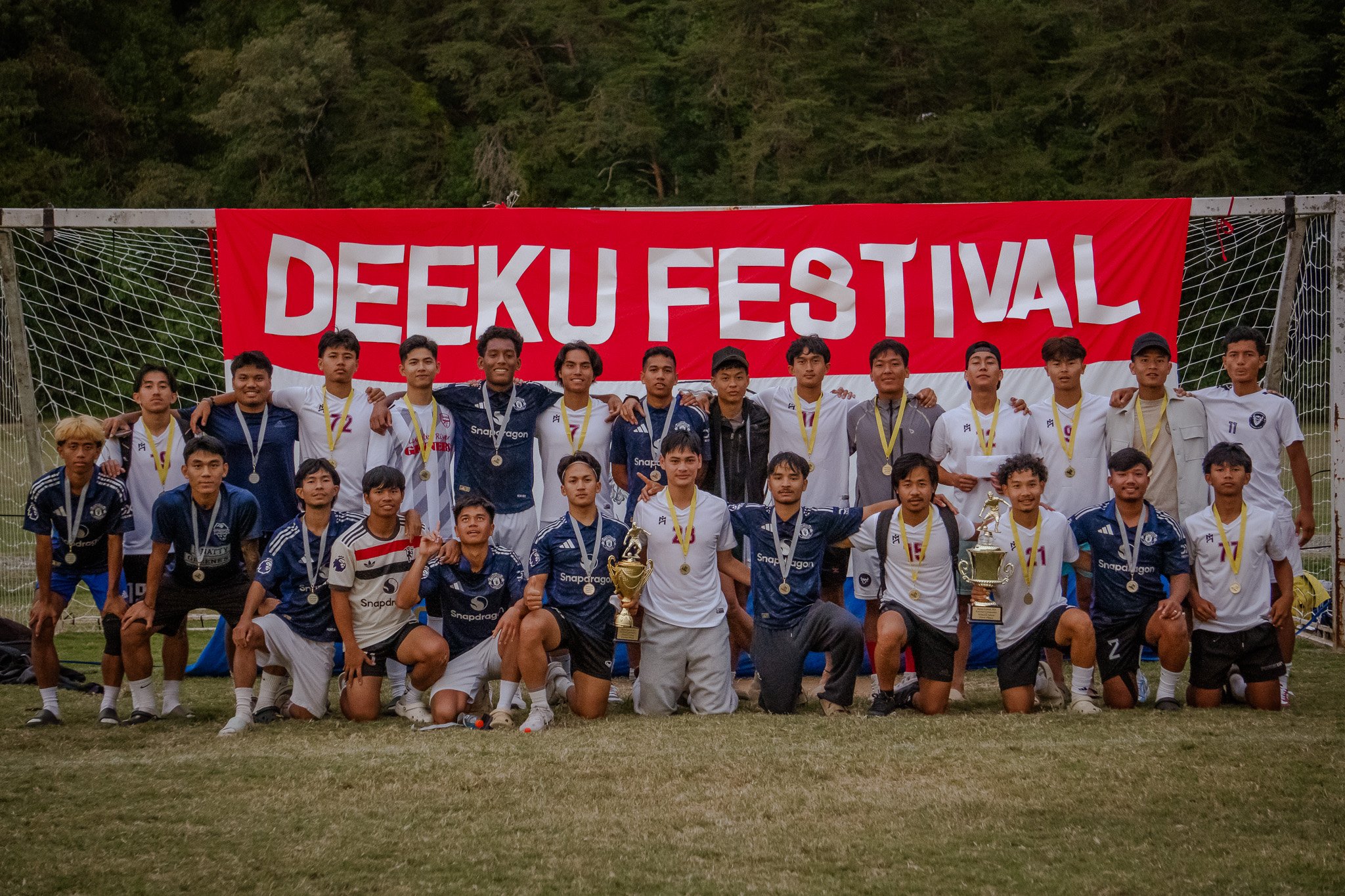
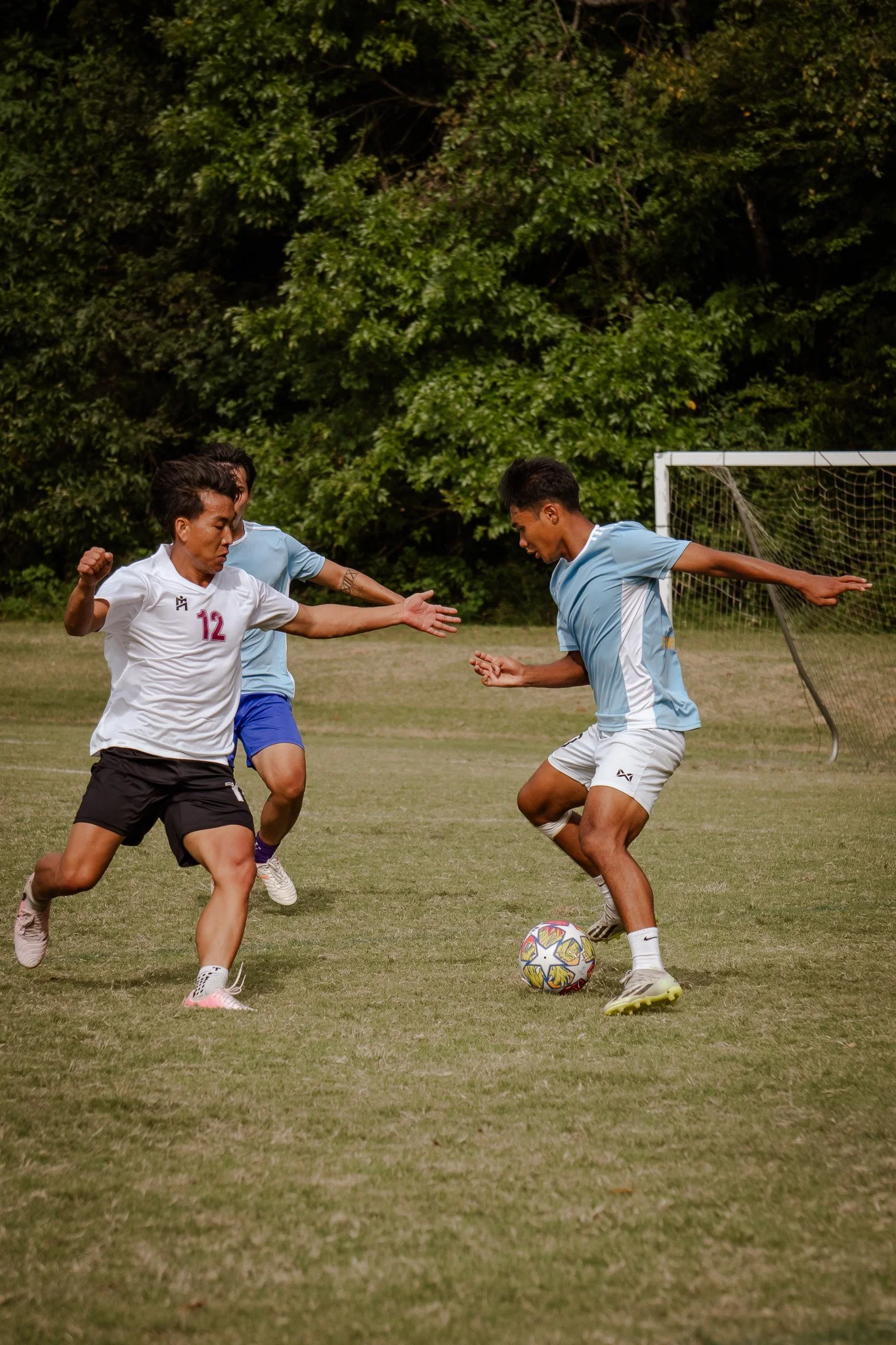
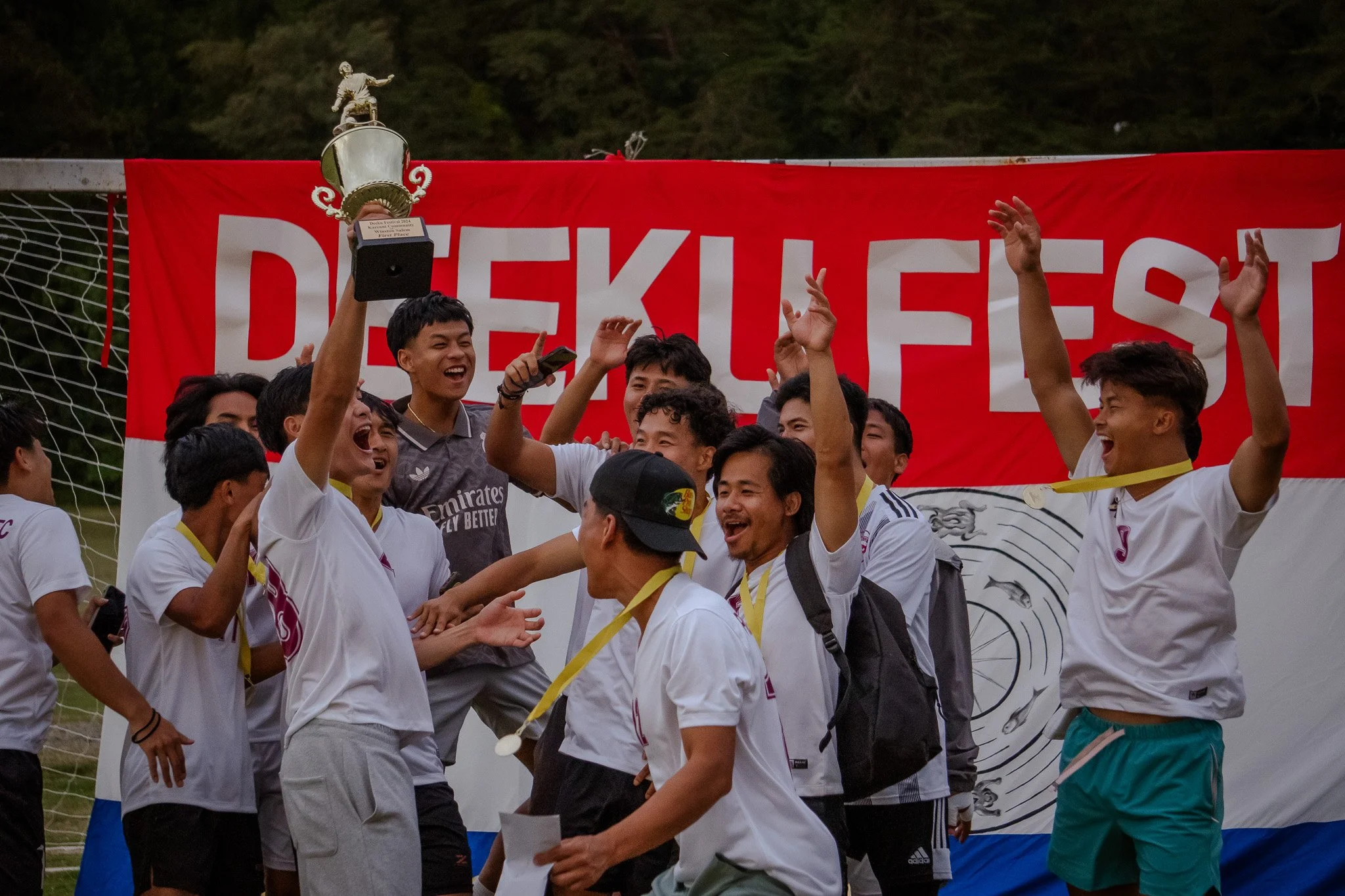
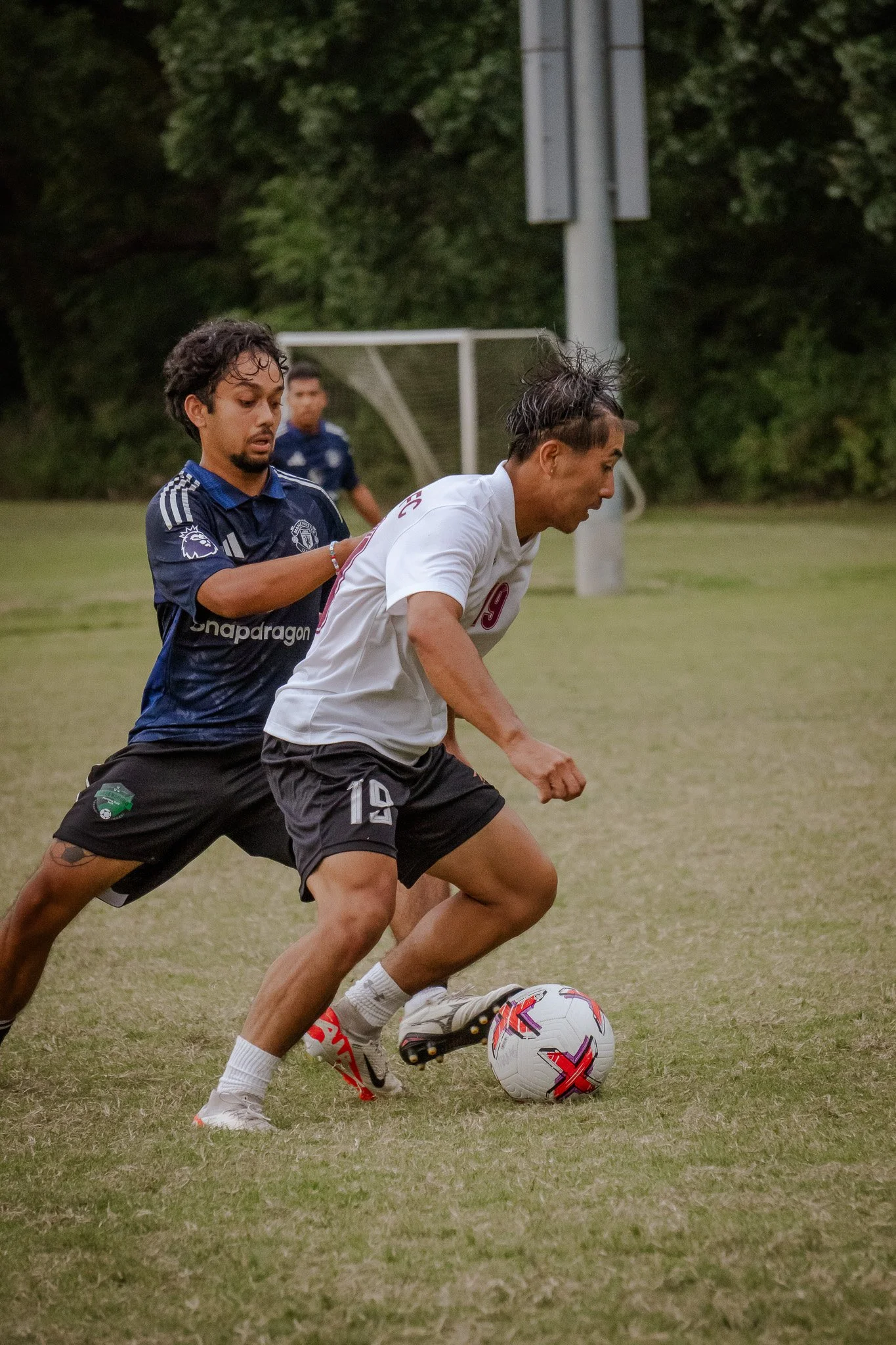
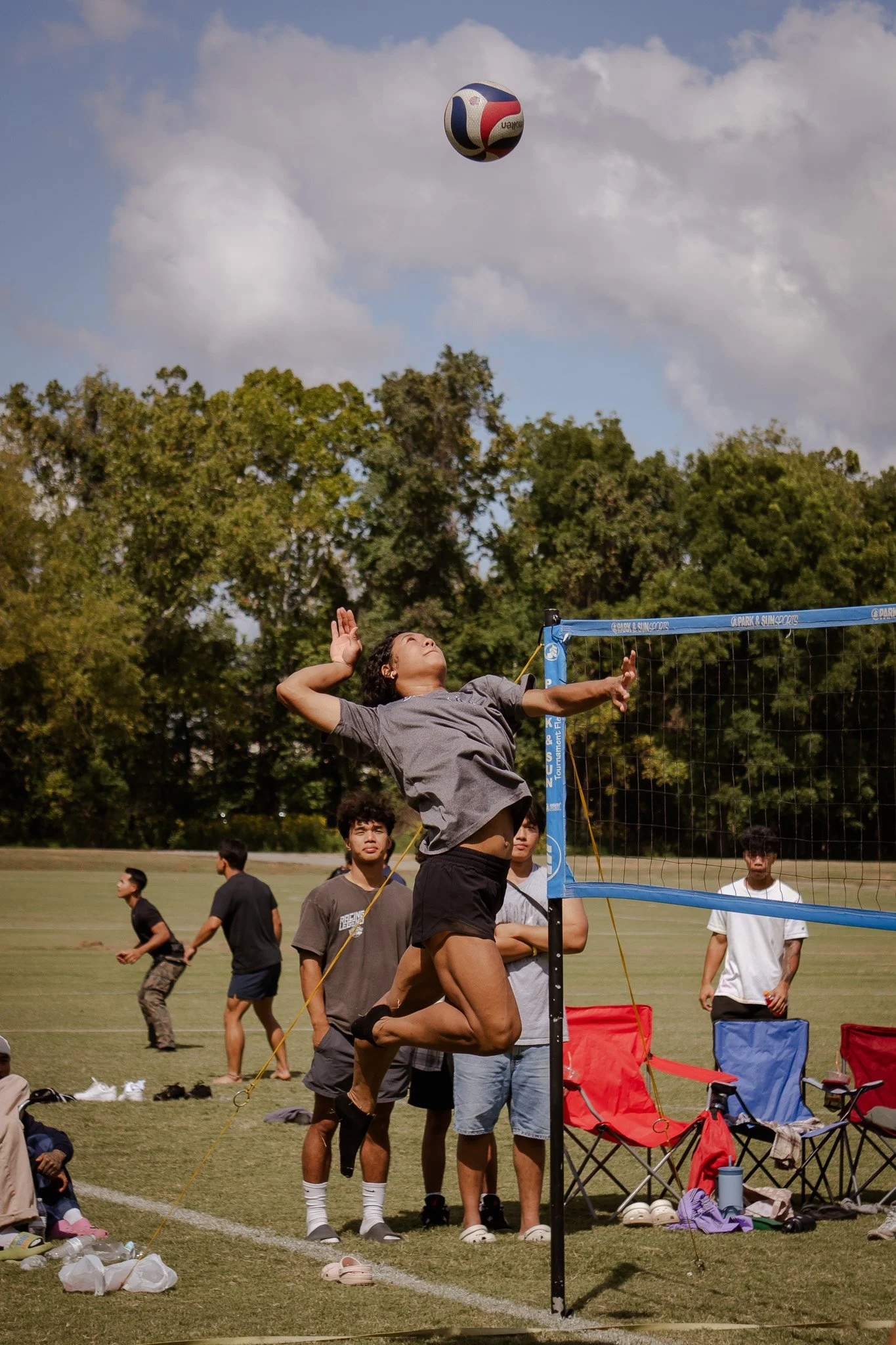
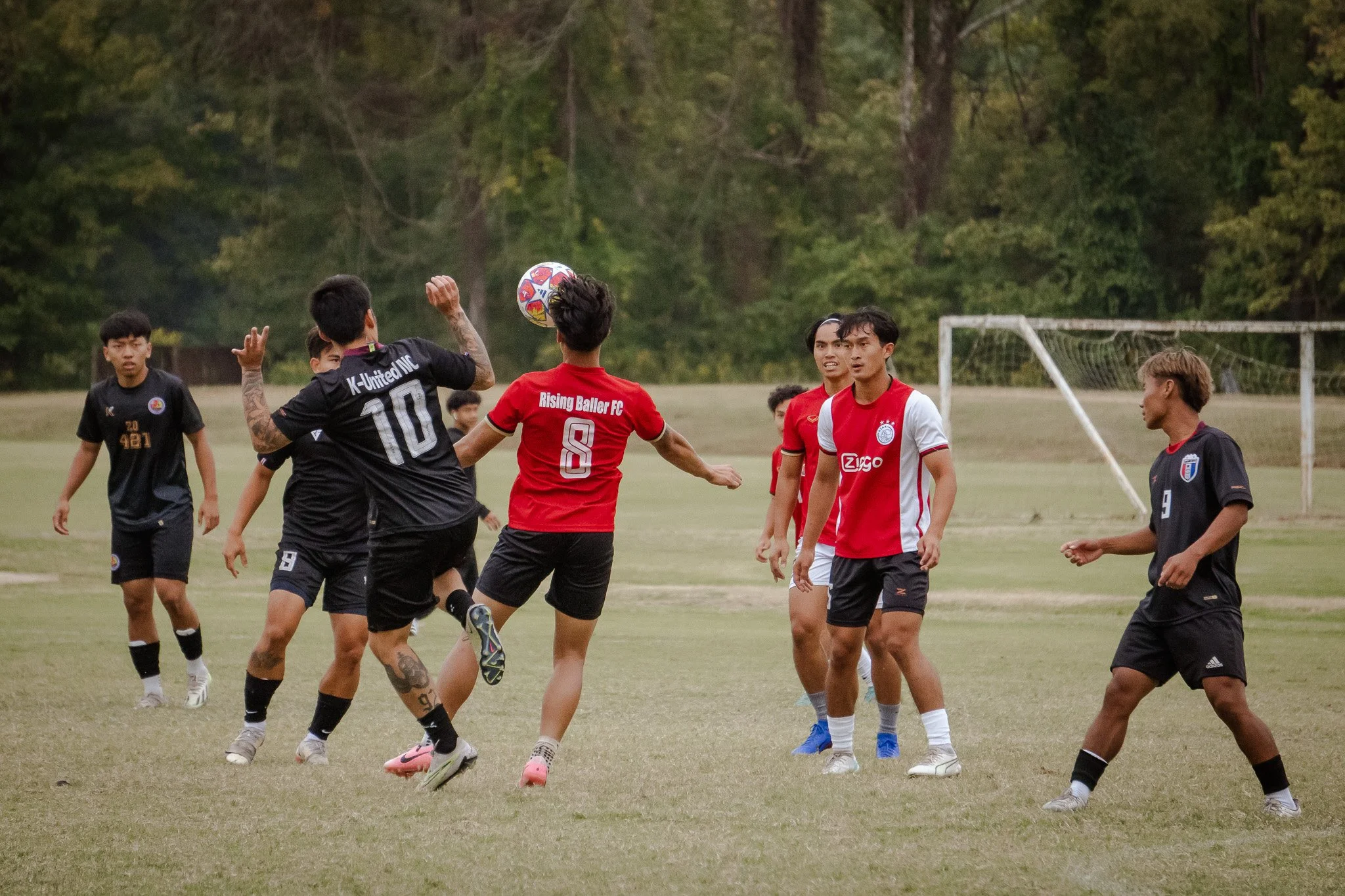
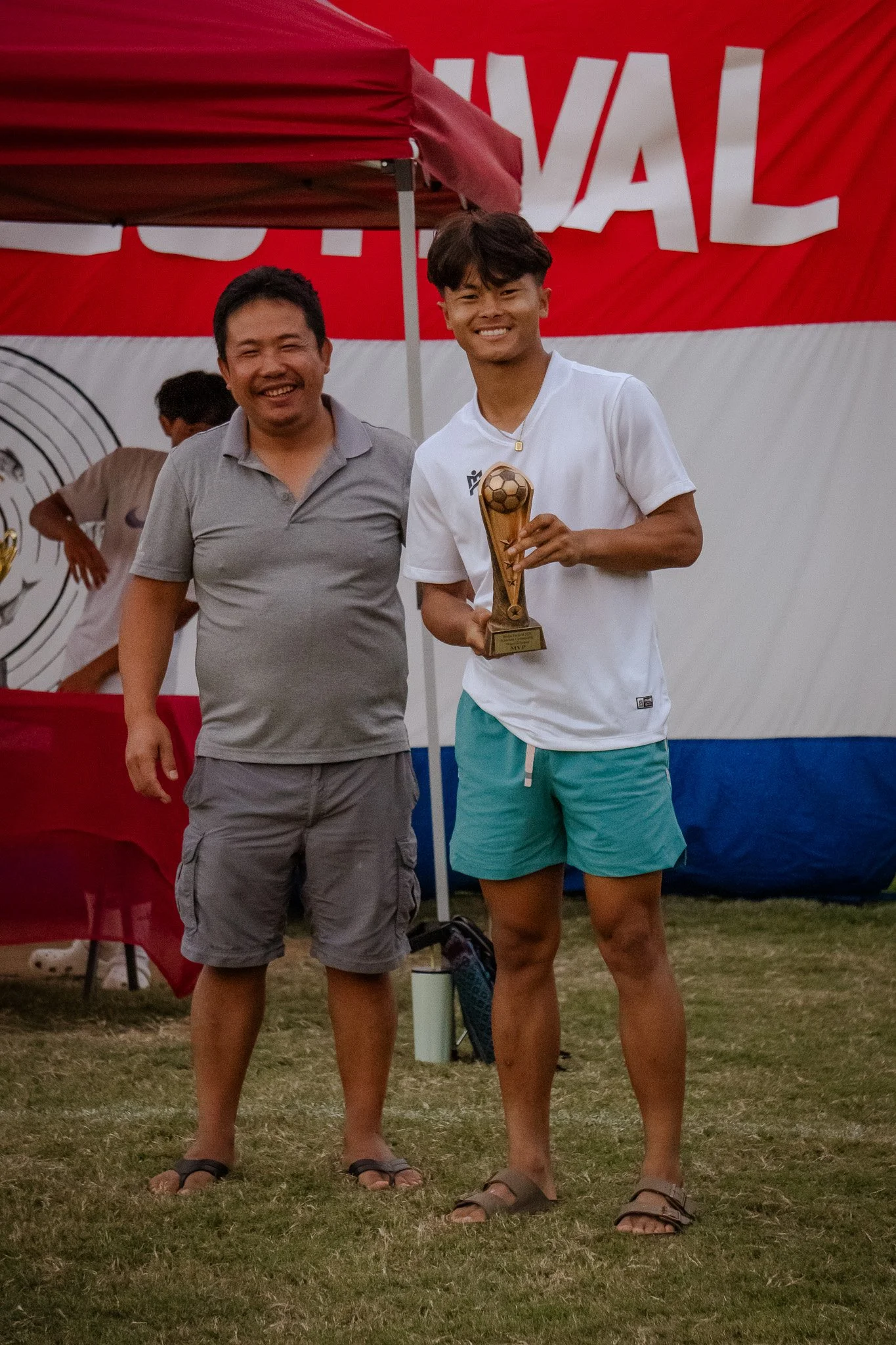
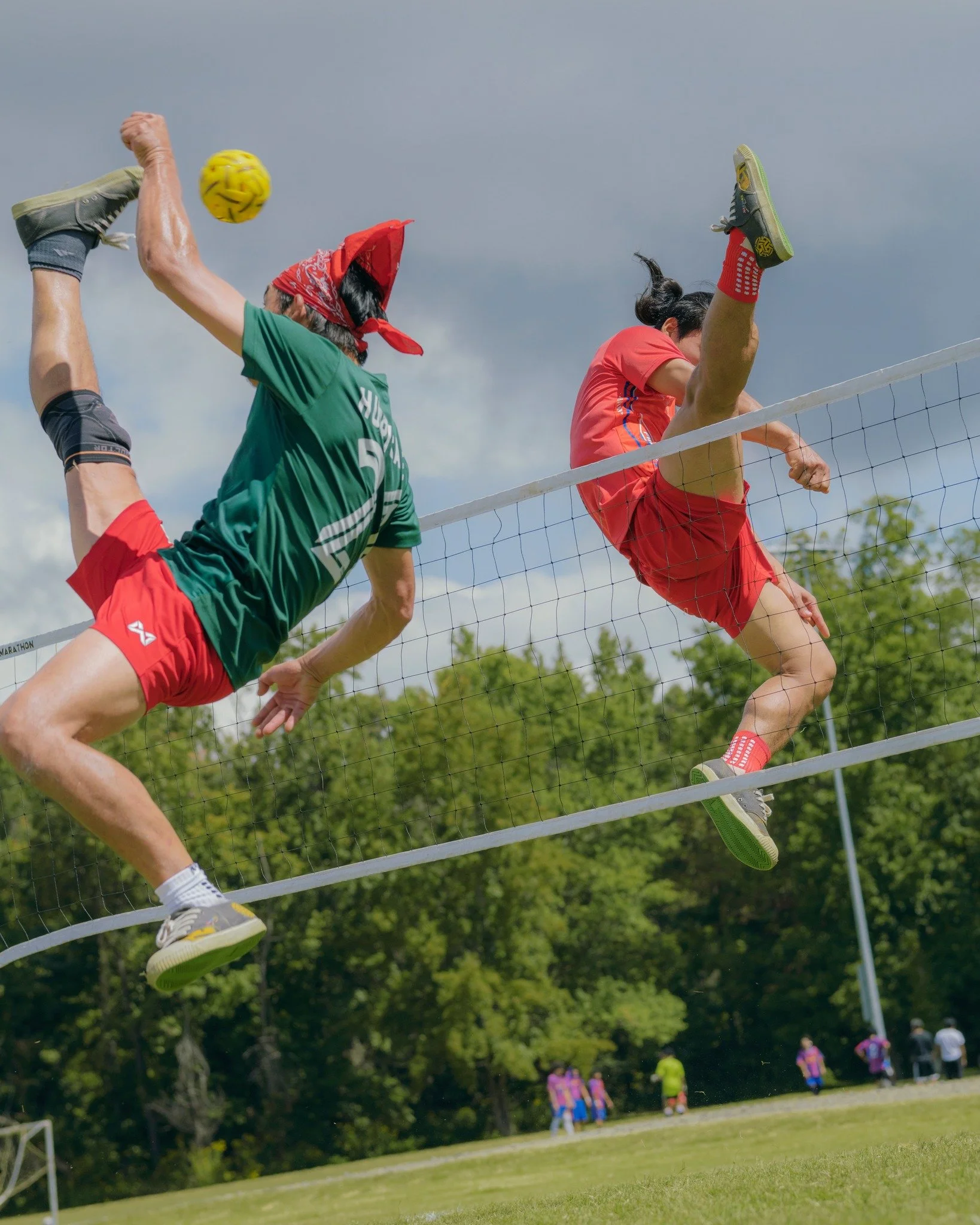
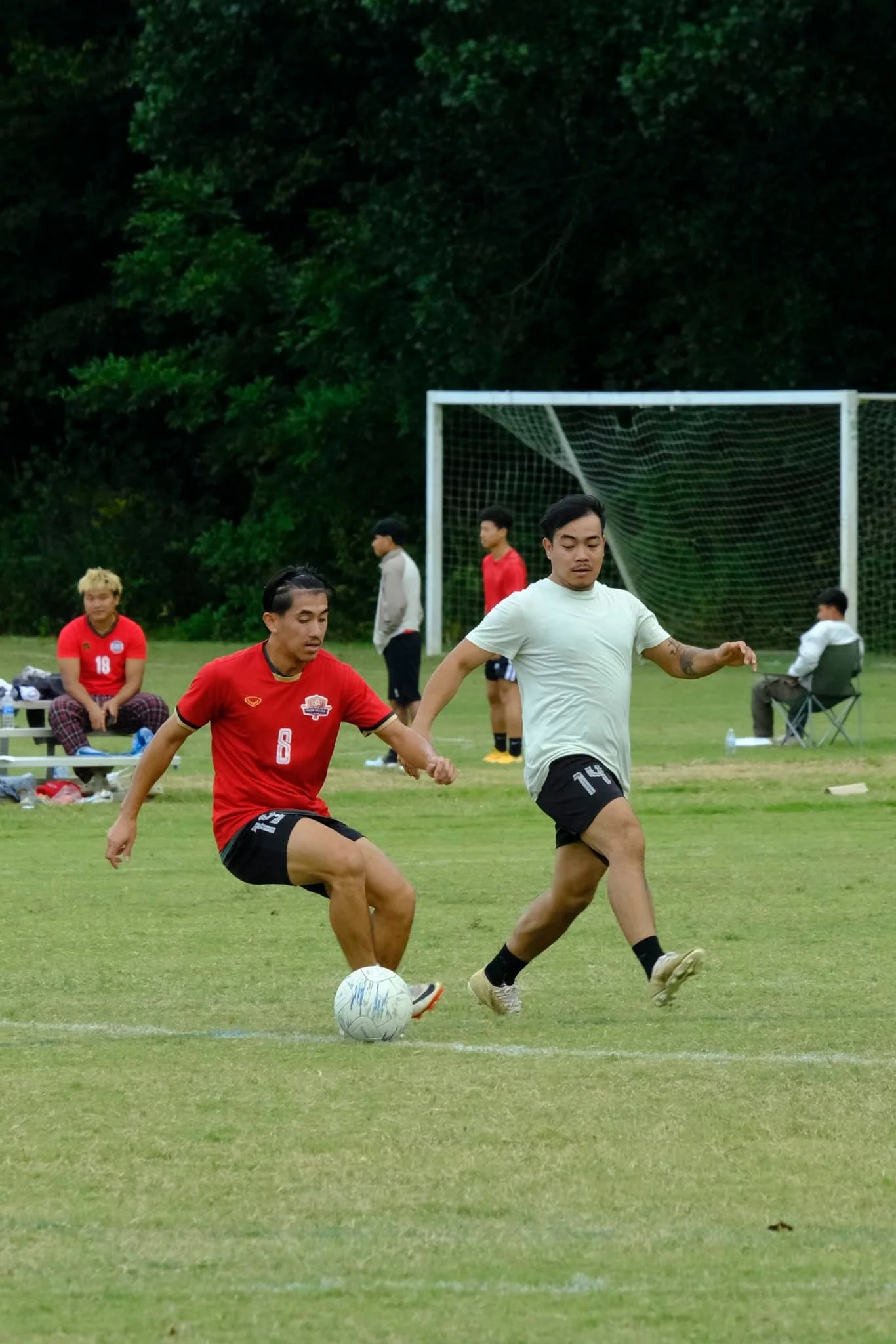
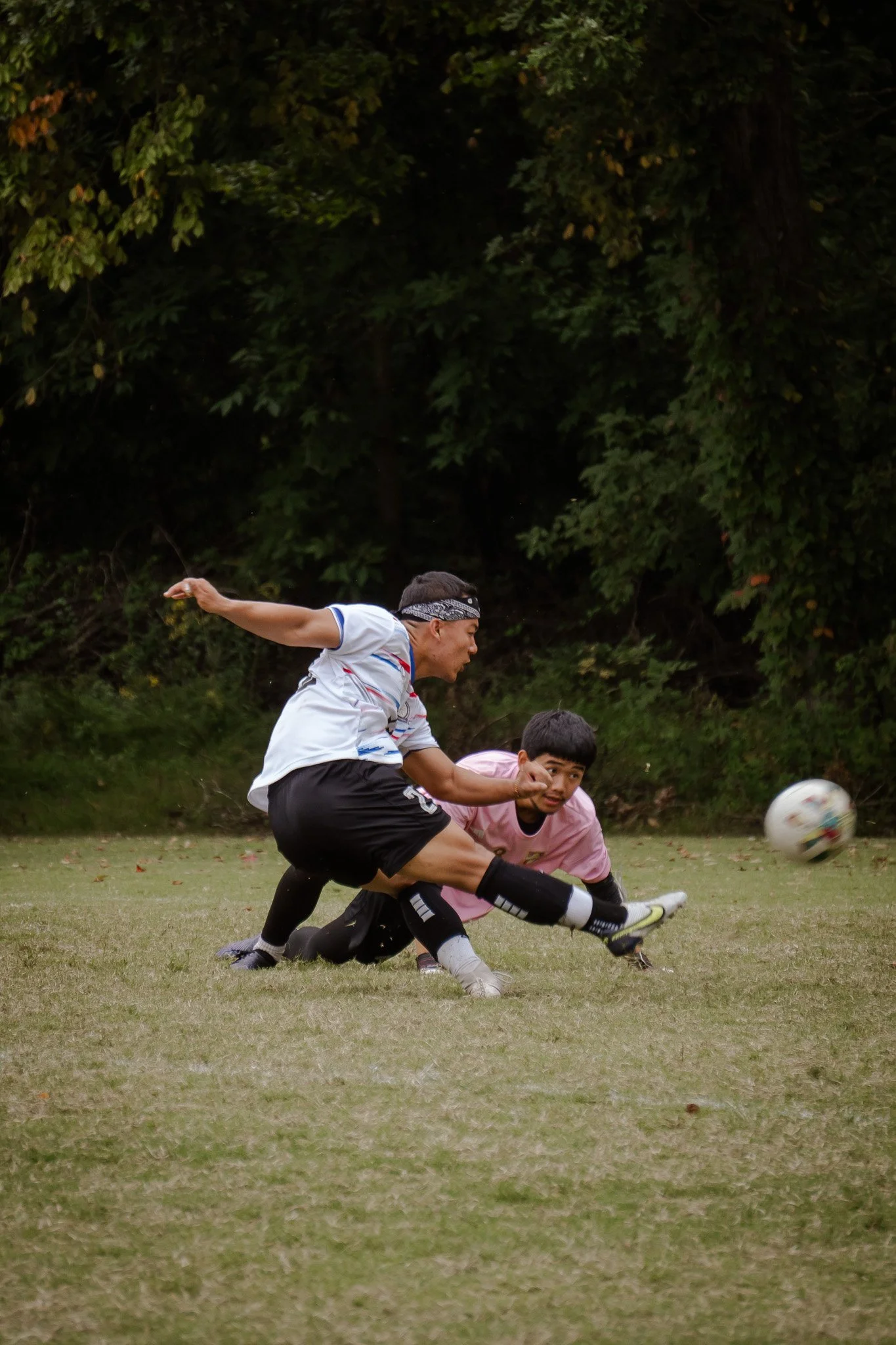
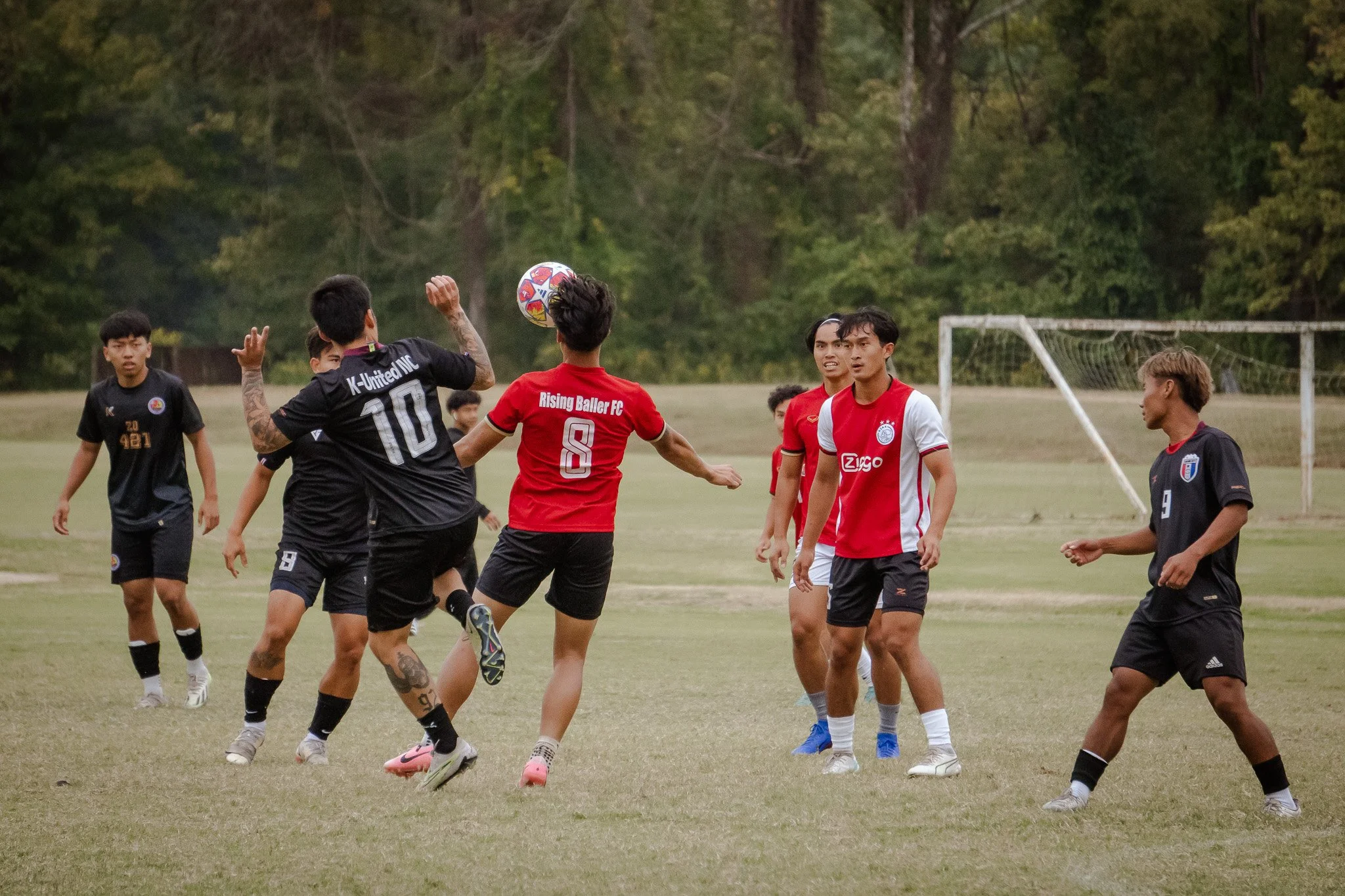
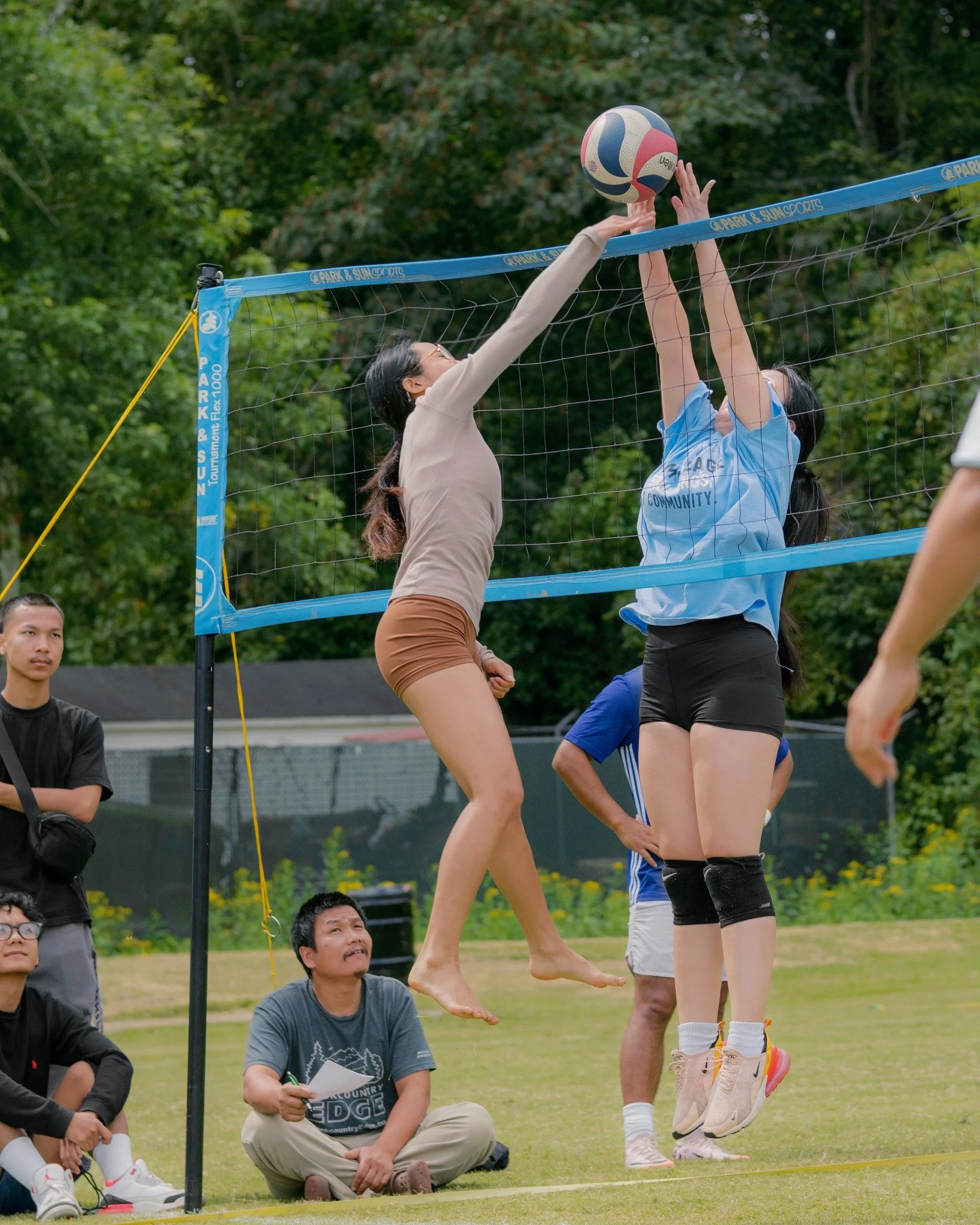
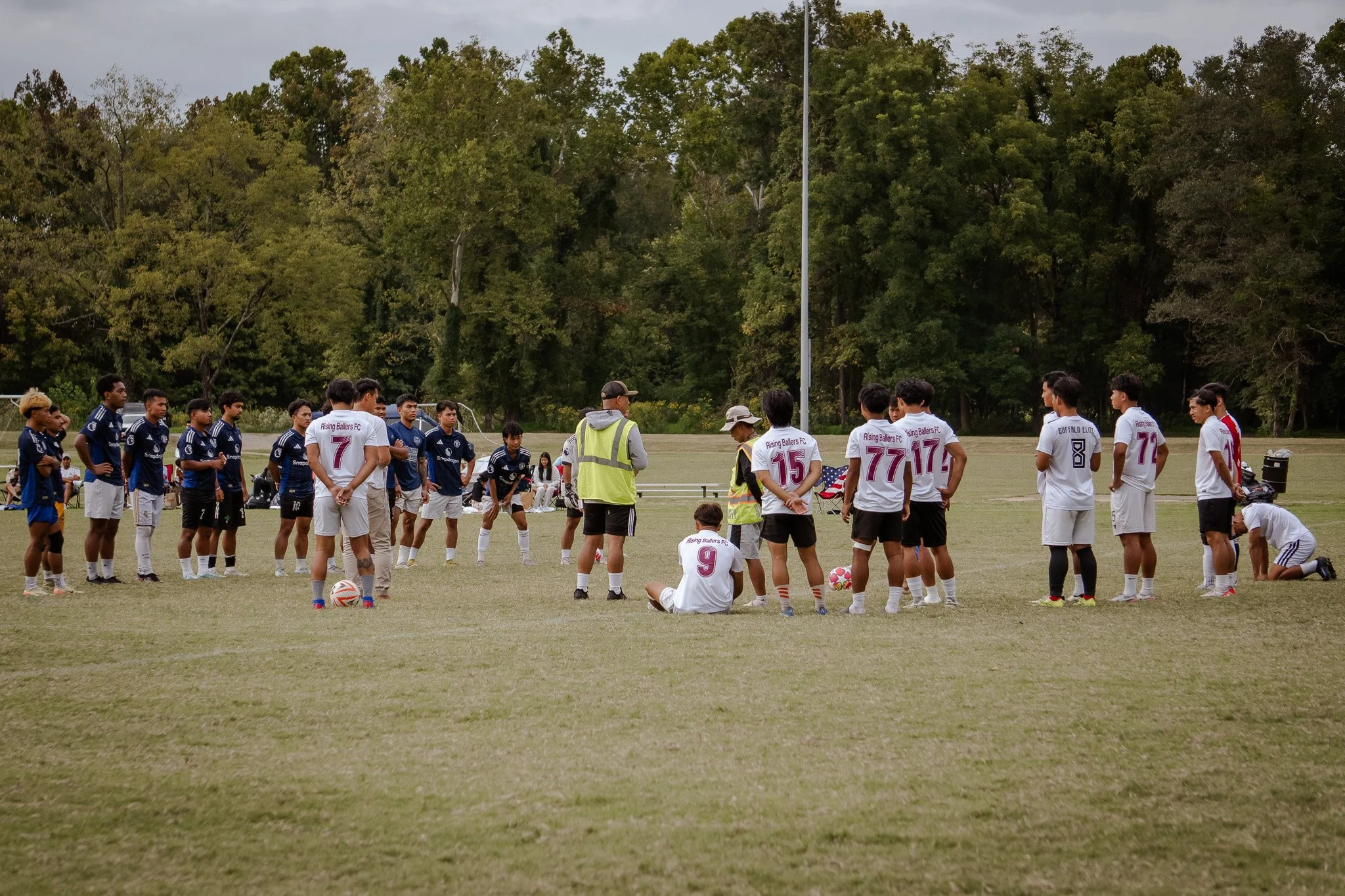
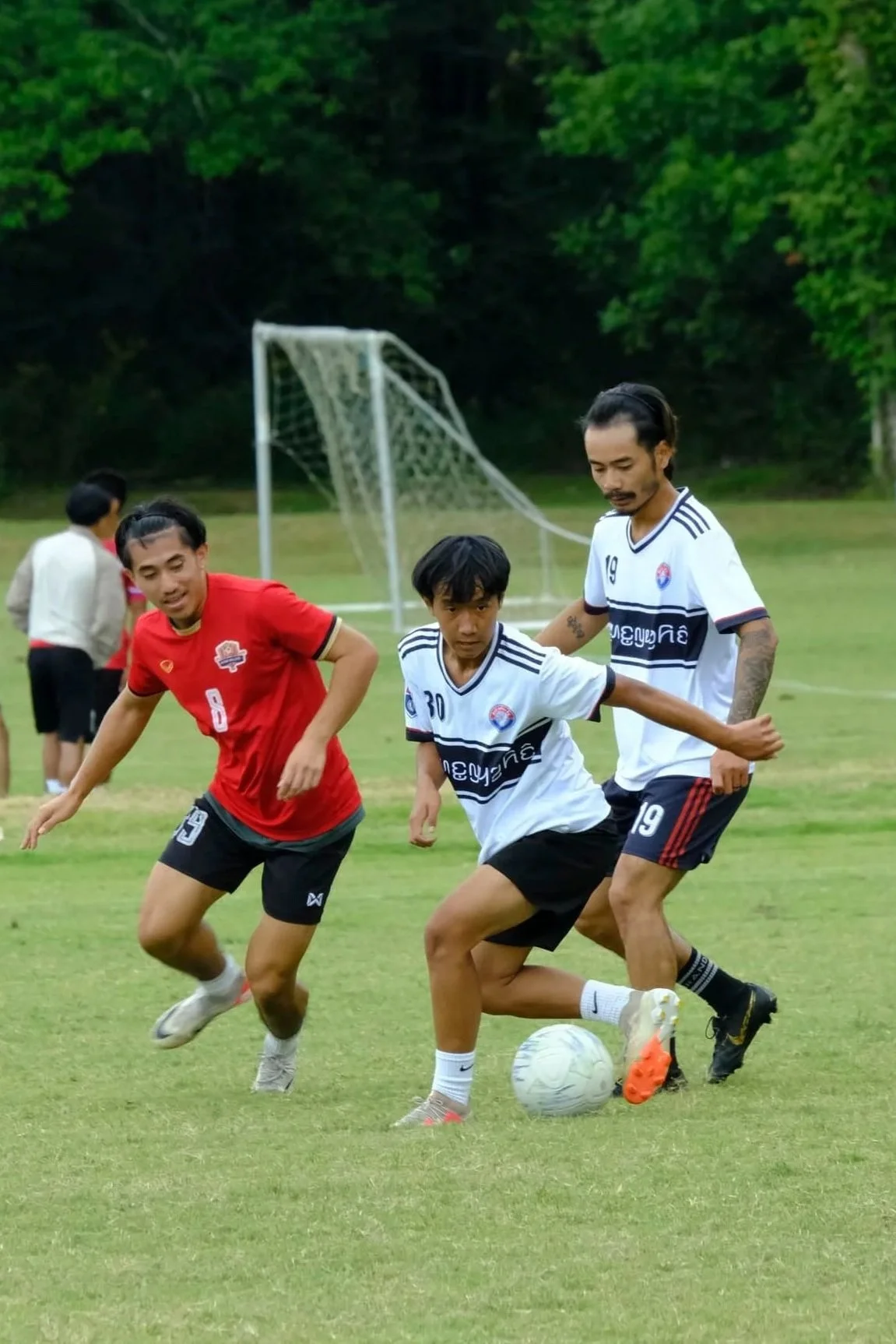
Sports and youth activities
Rituals honoring ancestors and those who sacrificed for the community
Cultural education for younger generations
The festival serves as an important opportunity for Karenni people to preserve traditions, strengthen community bonds, and pass cultural knowledge to future generations.
-
For many Karenni people, especially those living in refugee and immigrant communities, DeeKu is more than a festival—it is a reminder of identity, resilience, history, and belonging.
By continuing to celebrate DeeKu, Karenni communities help ensure that future generations remain connected to their roots, culture, and shared history no matter where they live in the world.
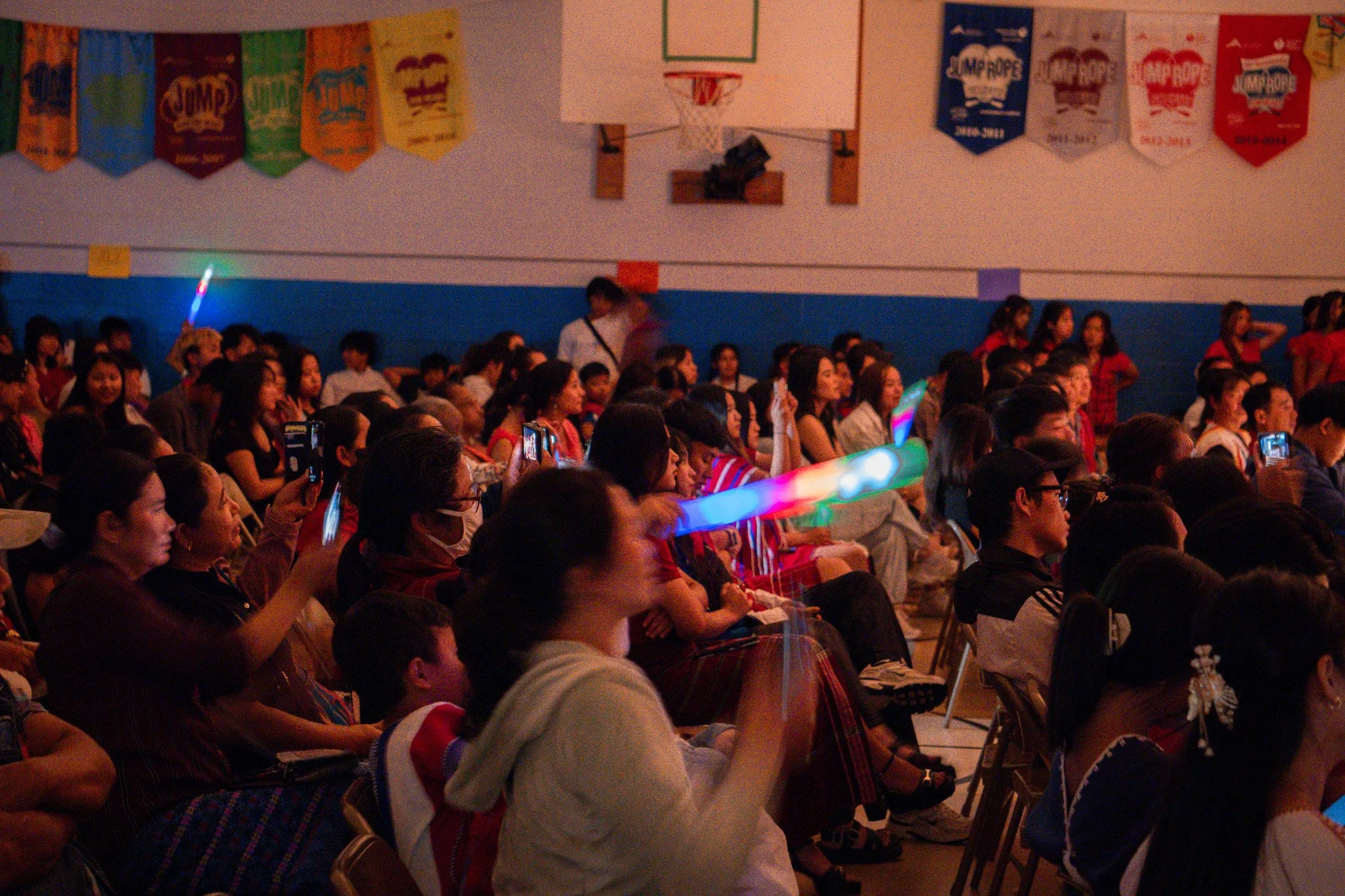
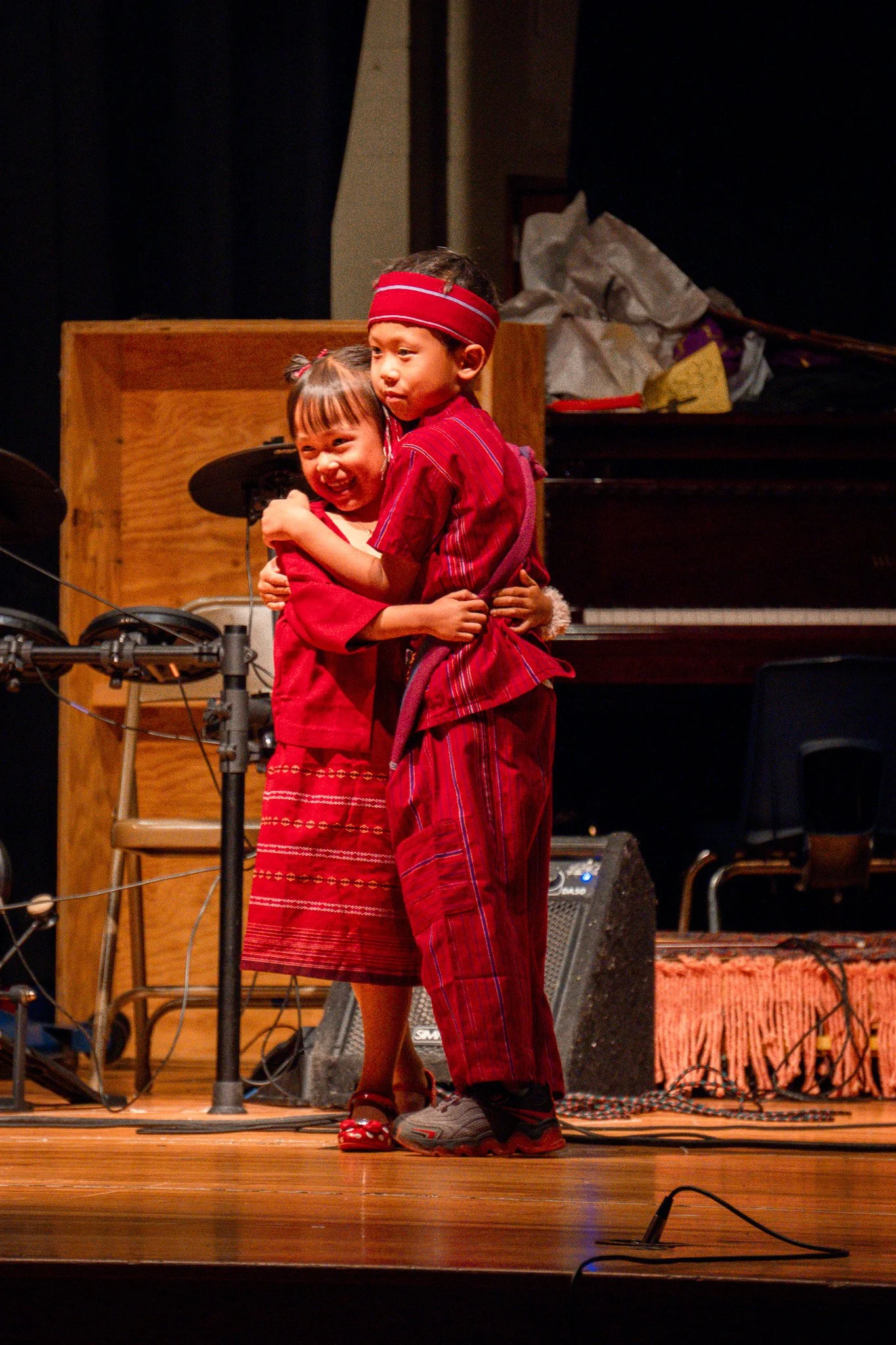
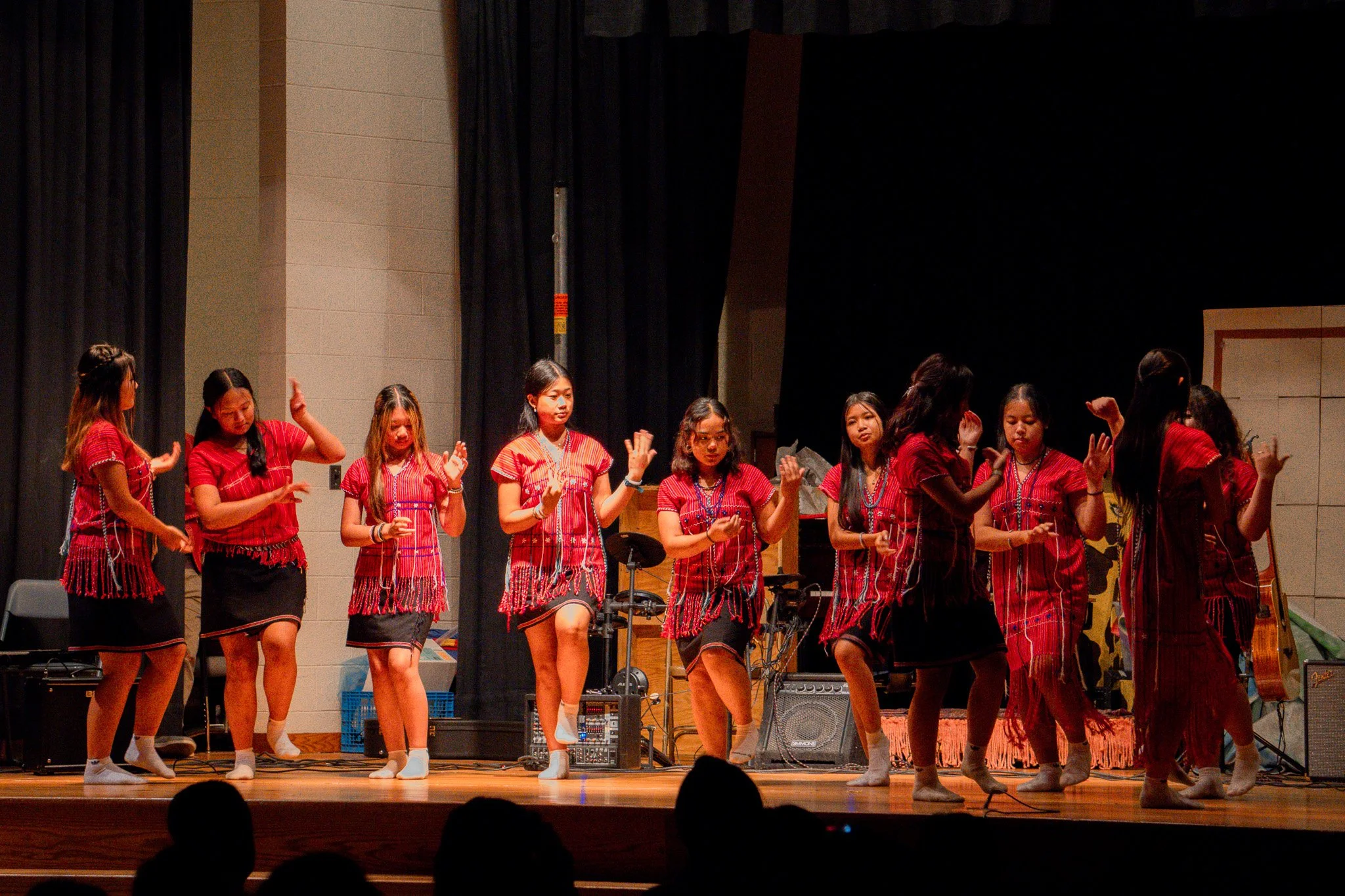
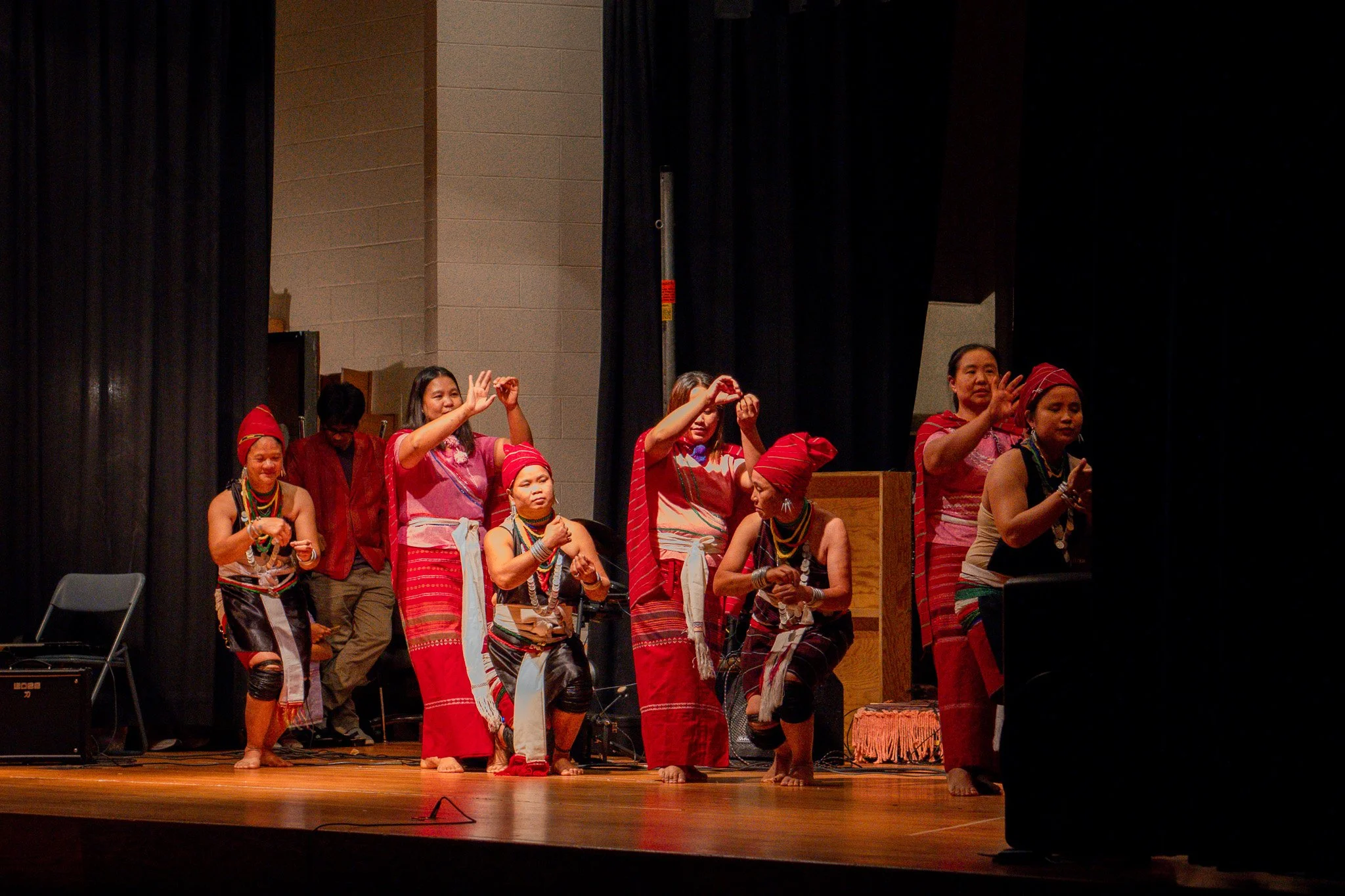
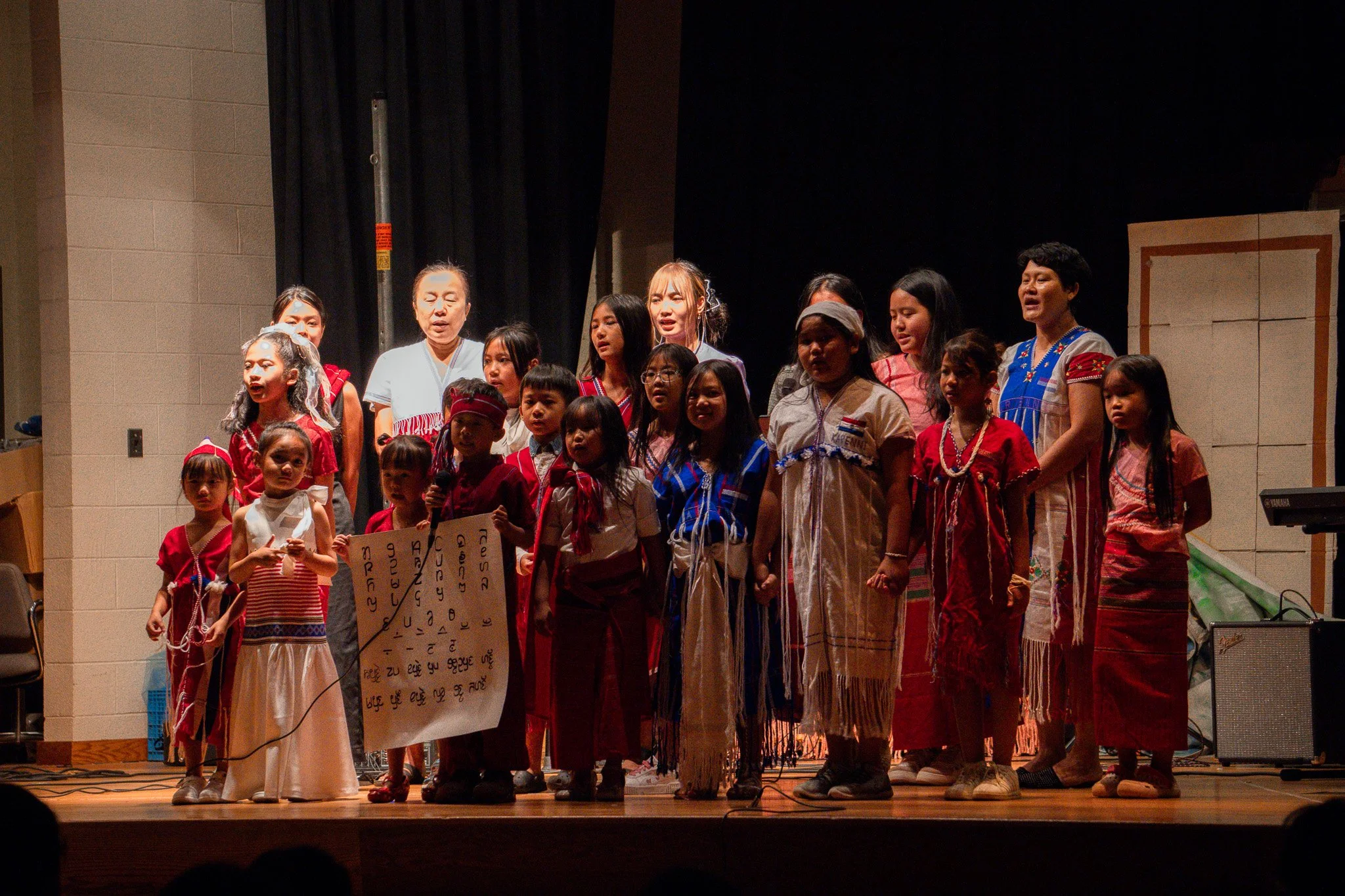
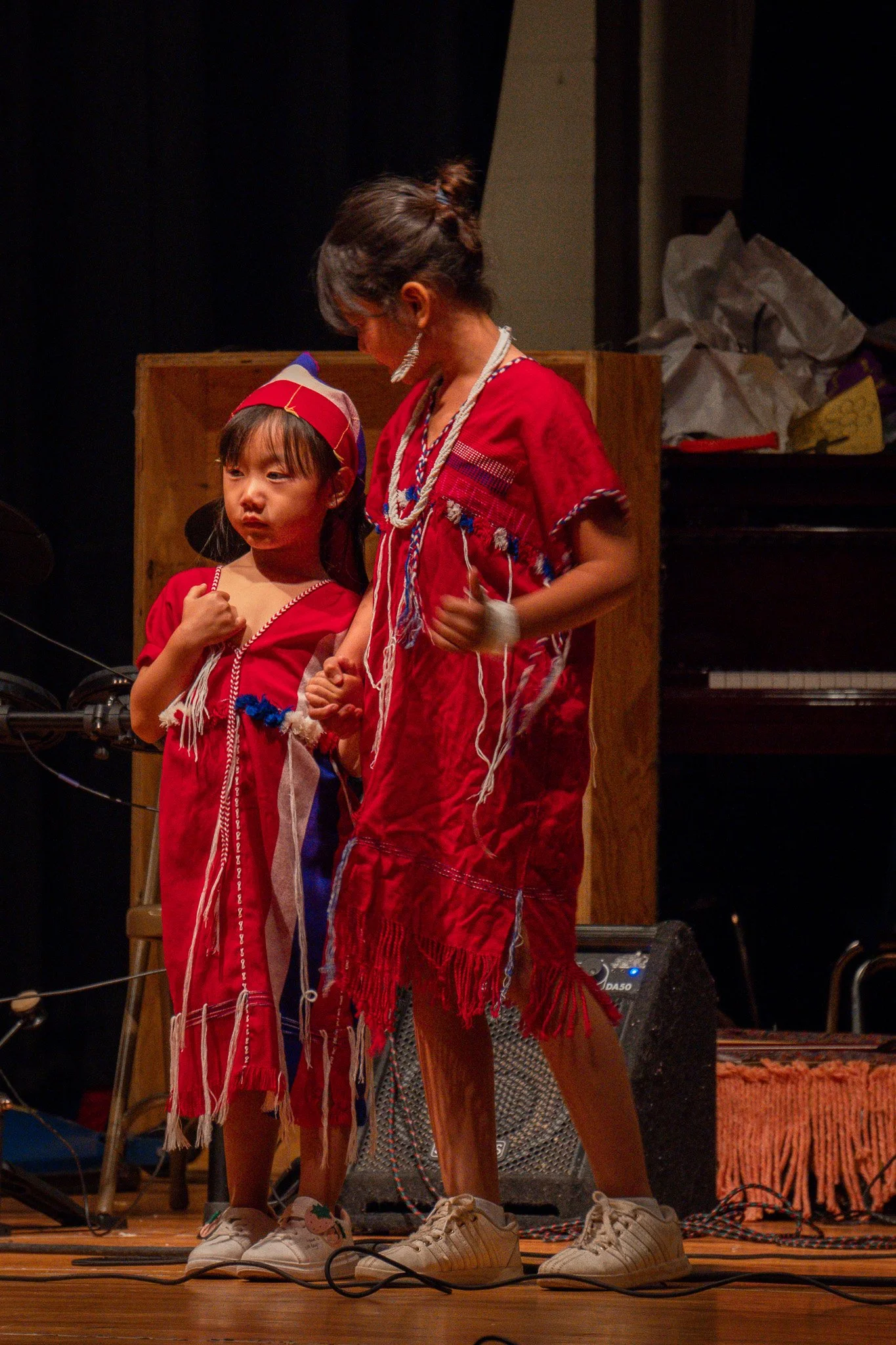
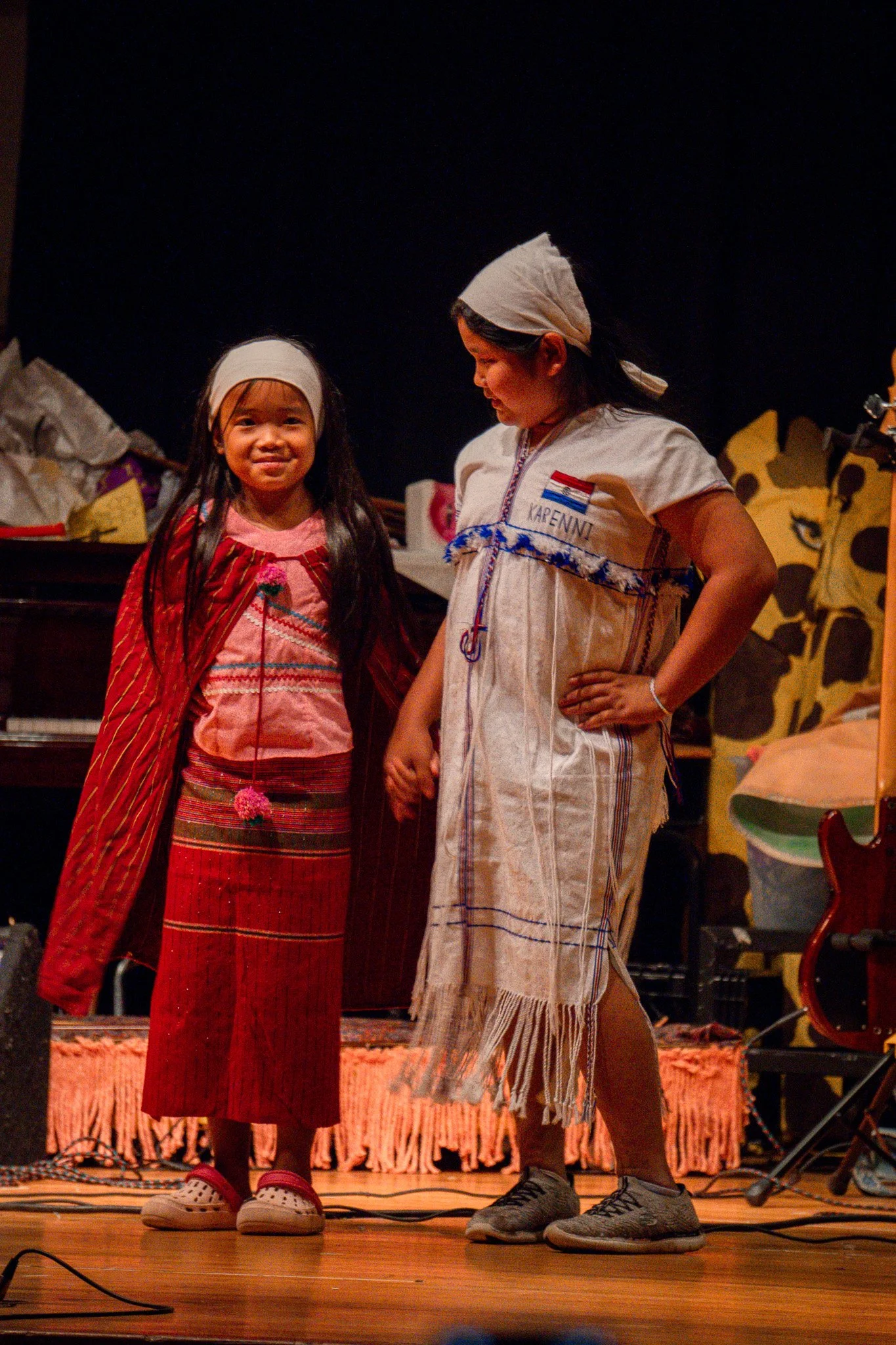
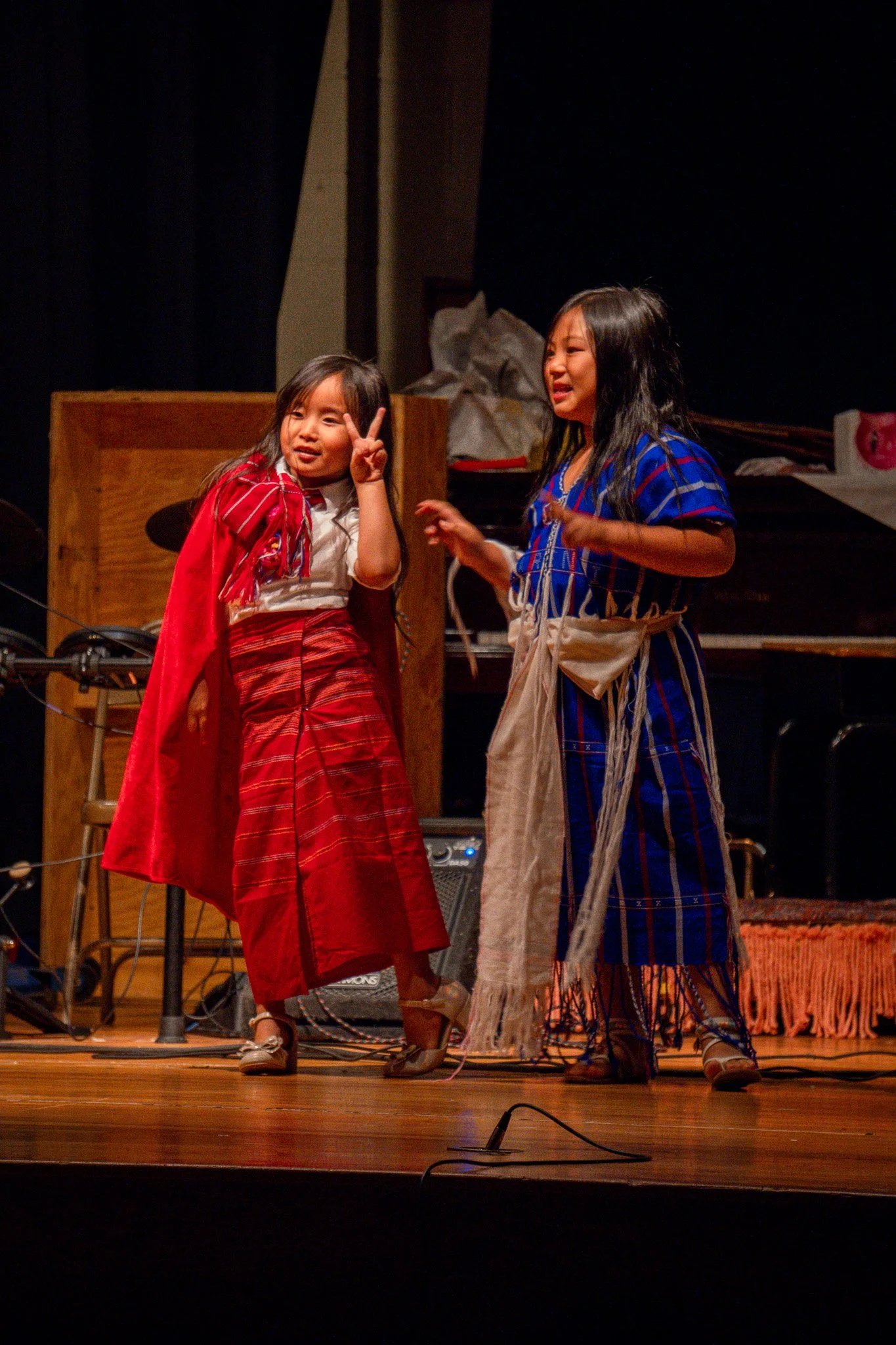
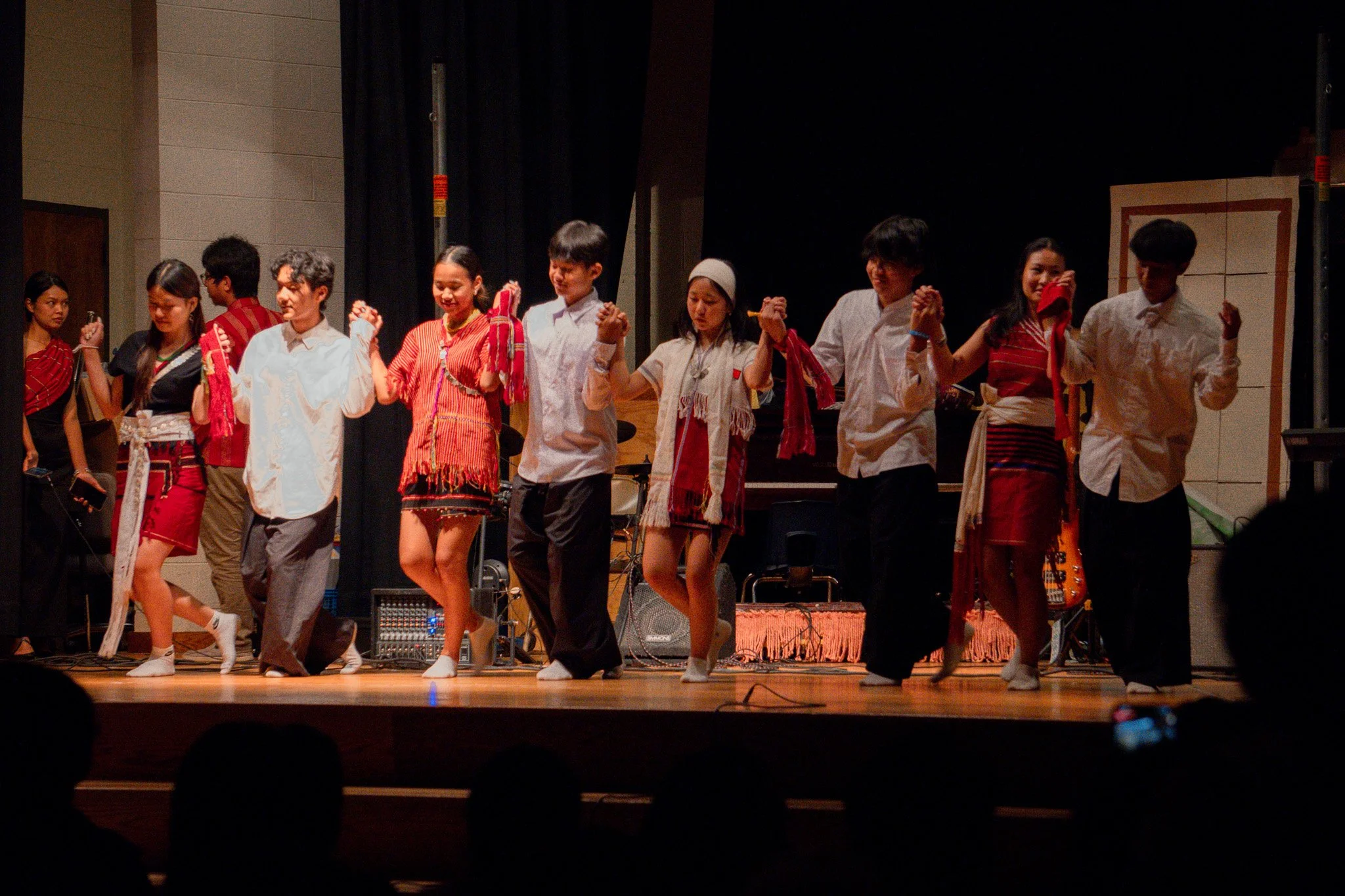
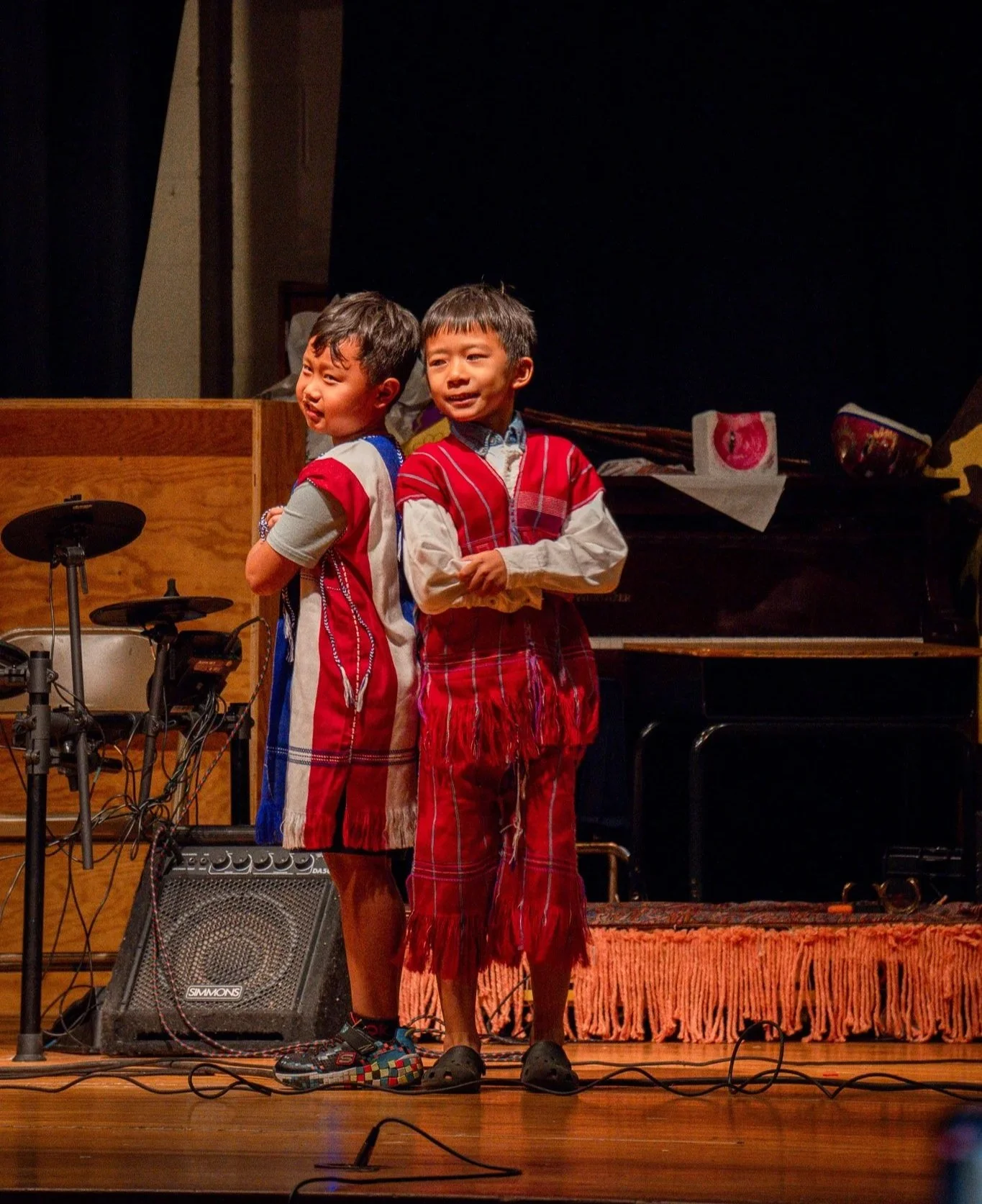
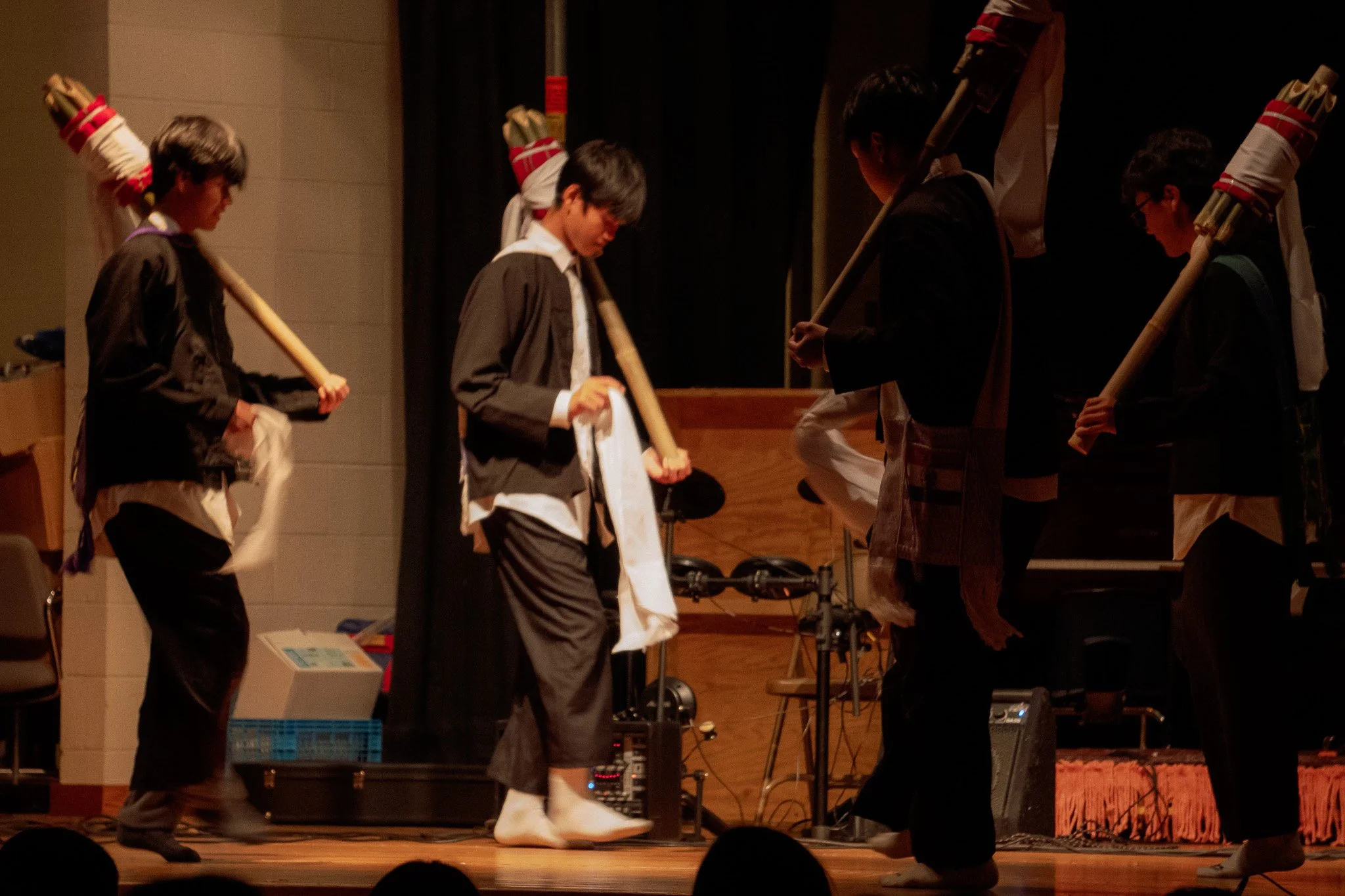
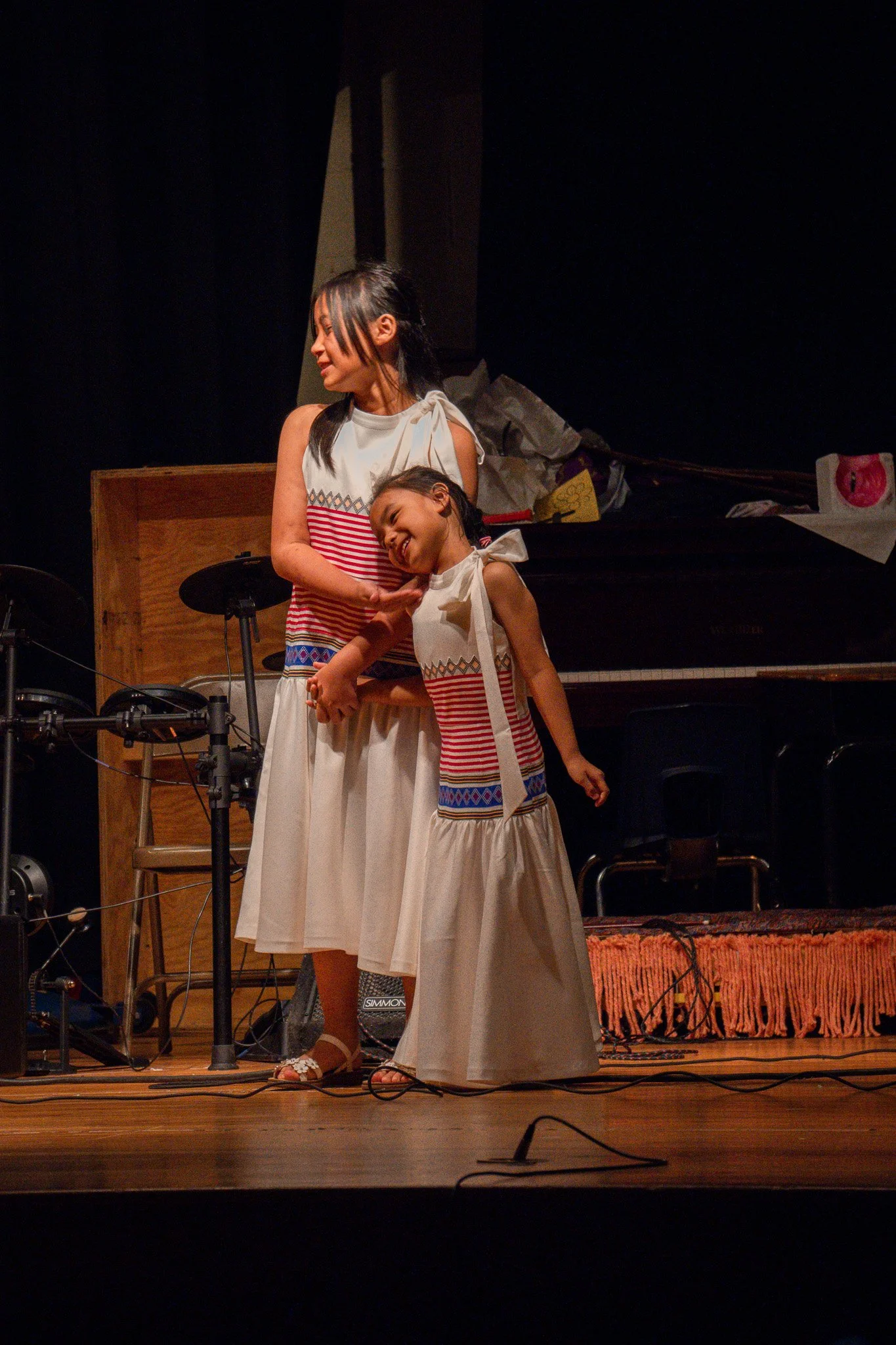
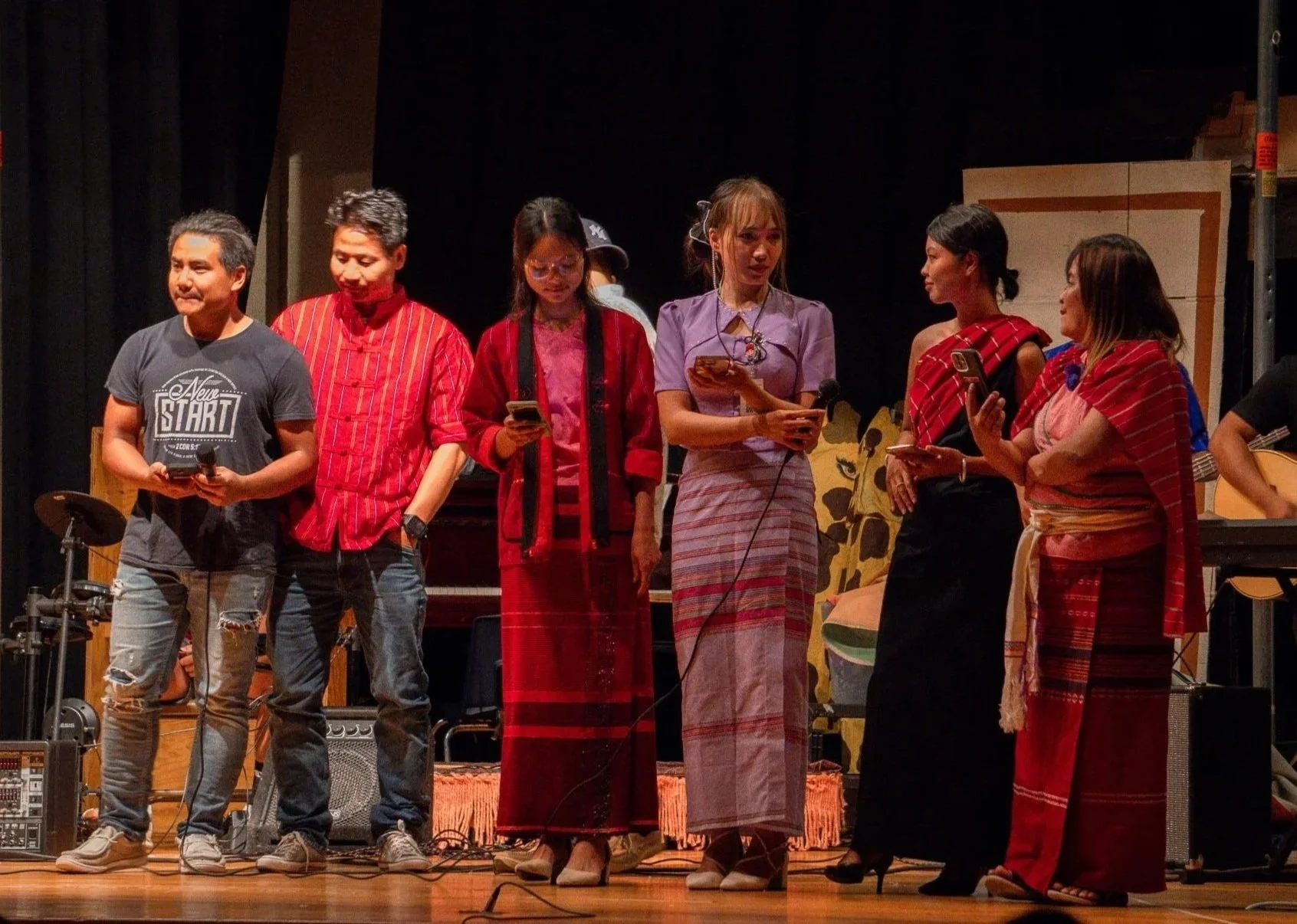
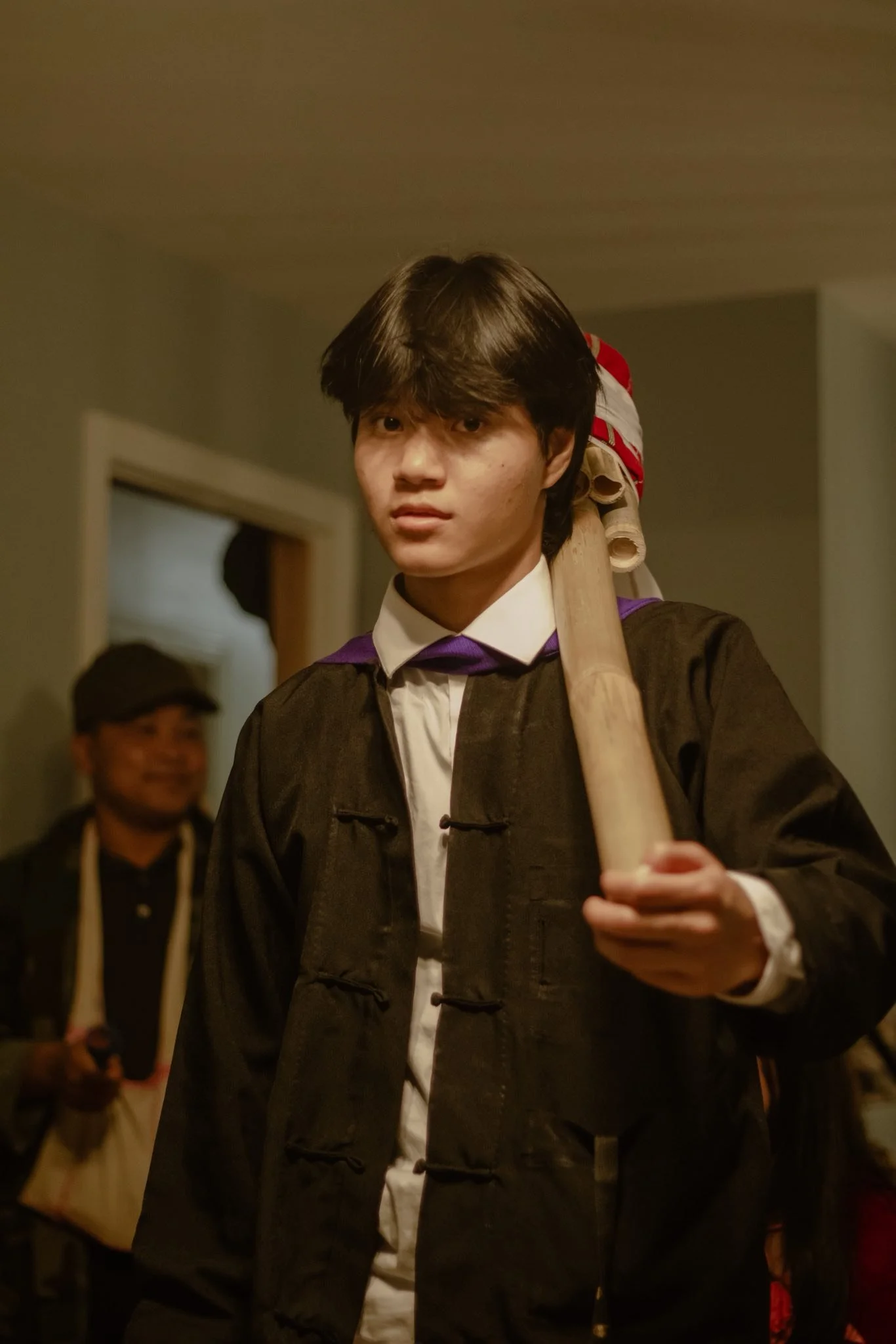
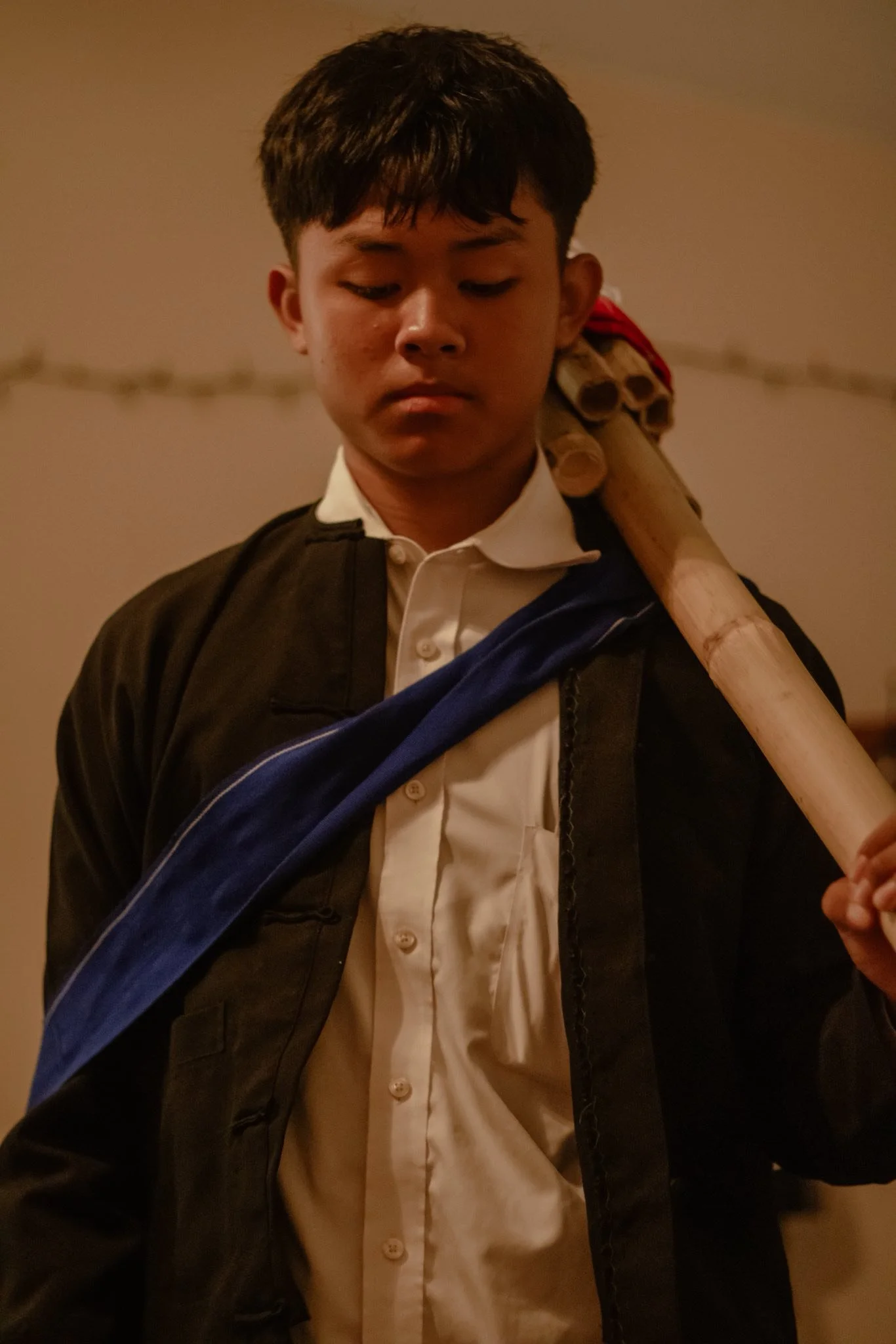
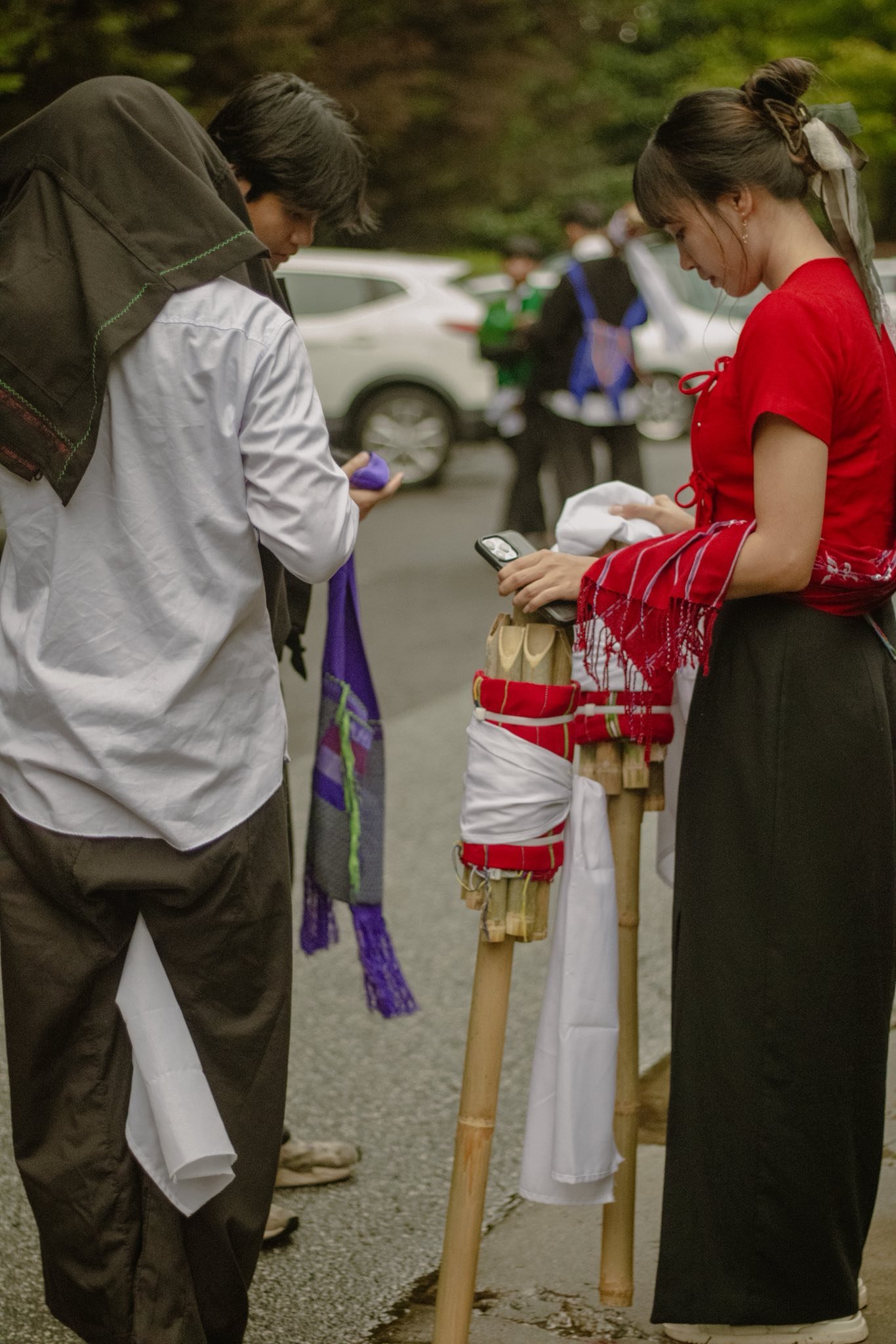
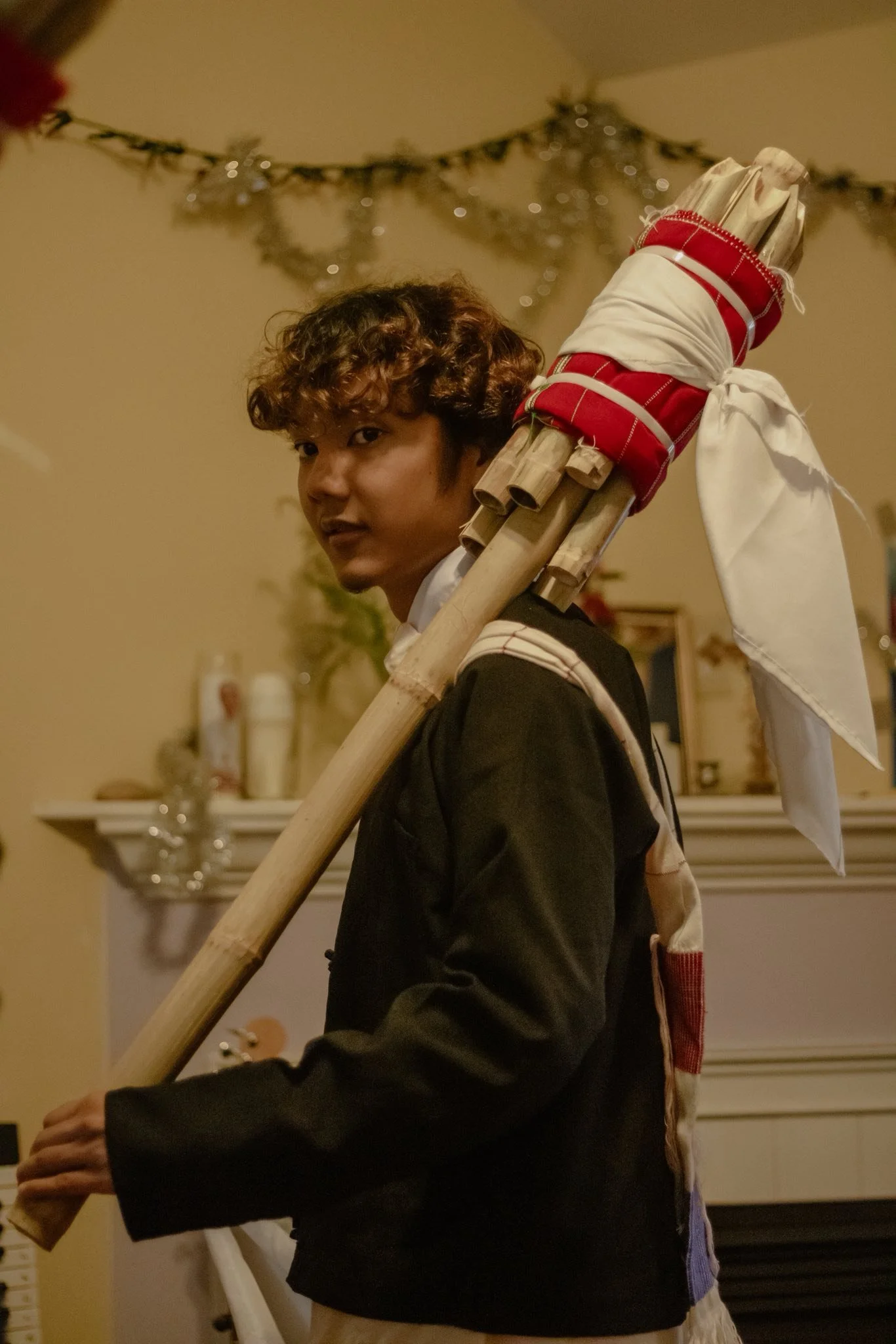
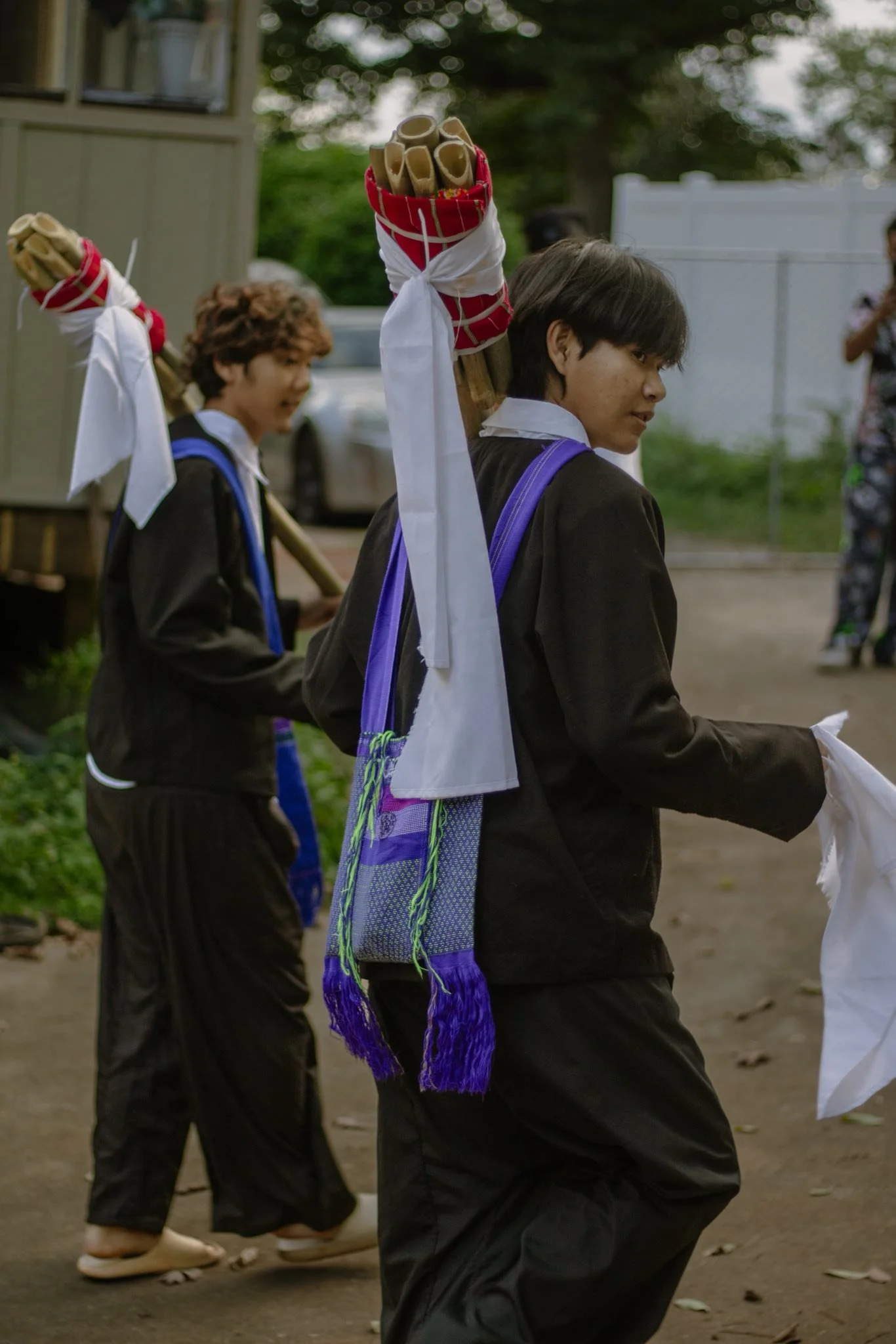
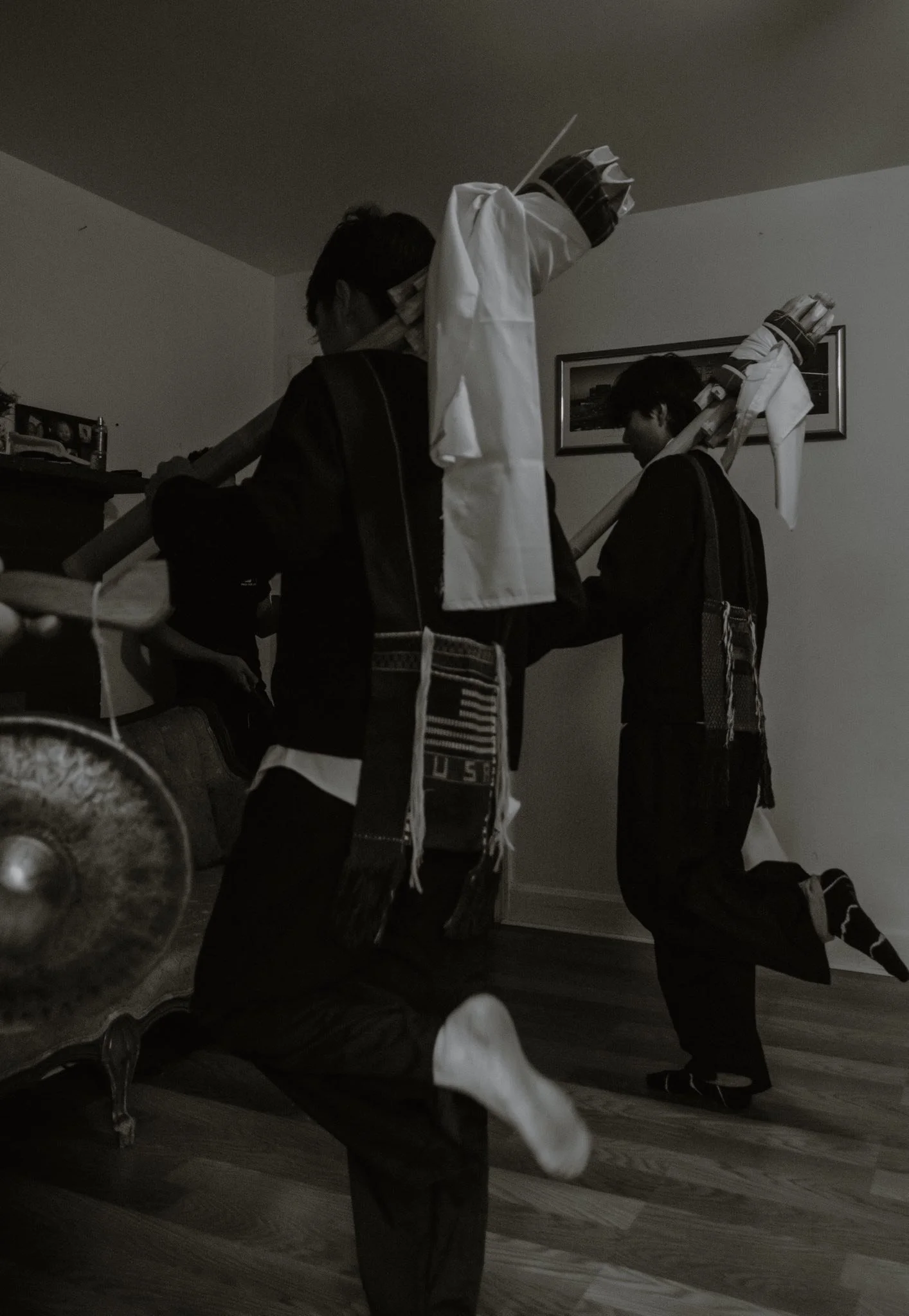
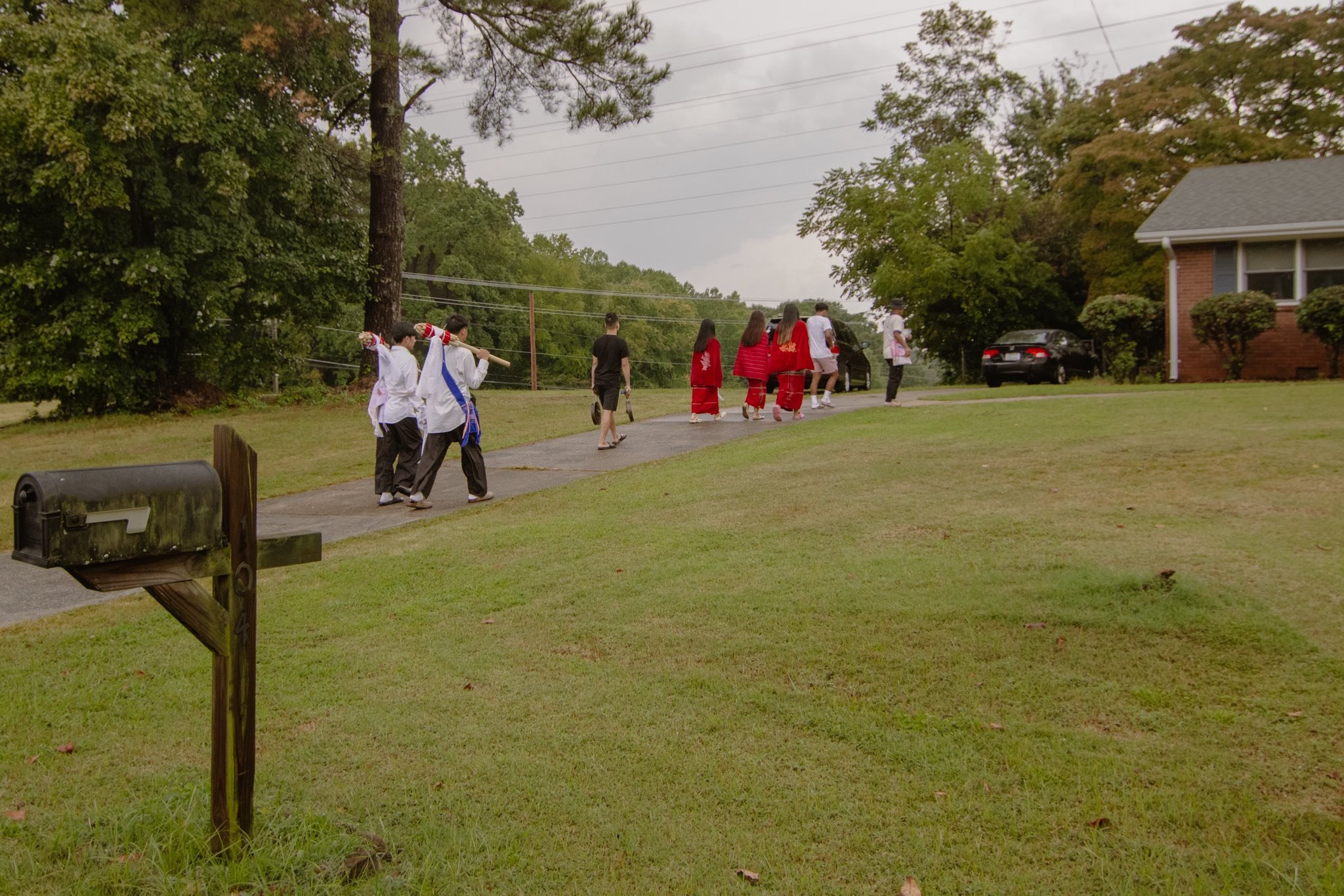
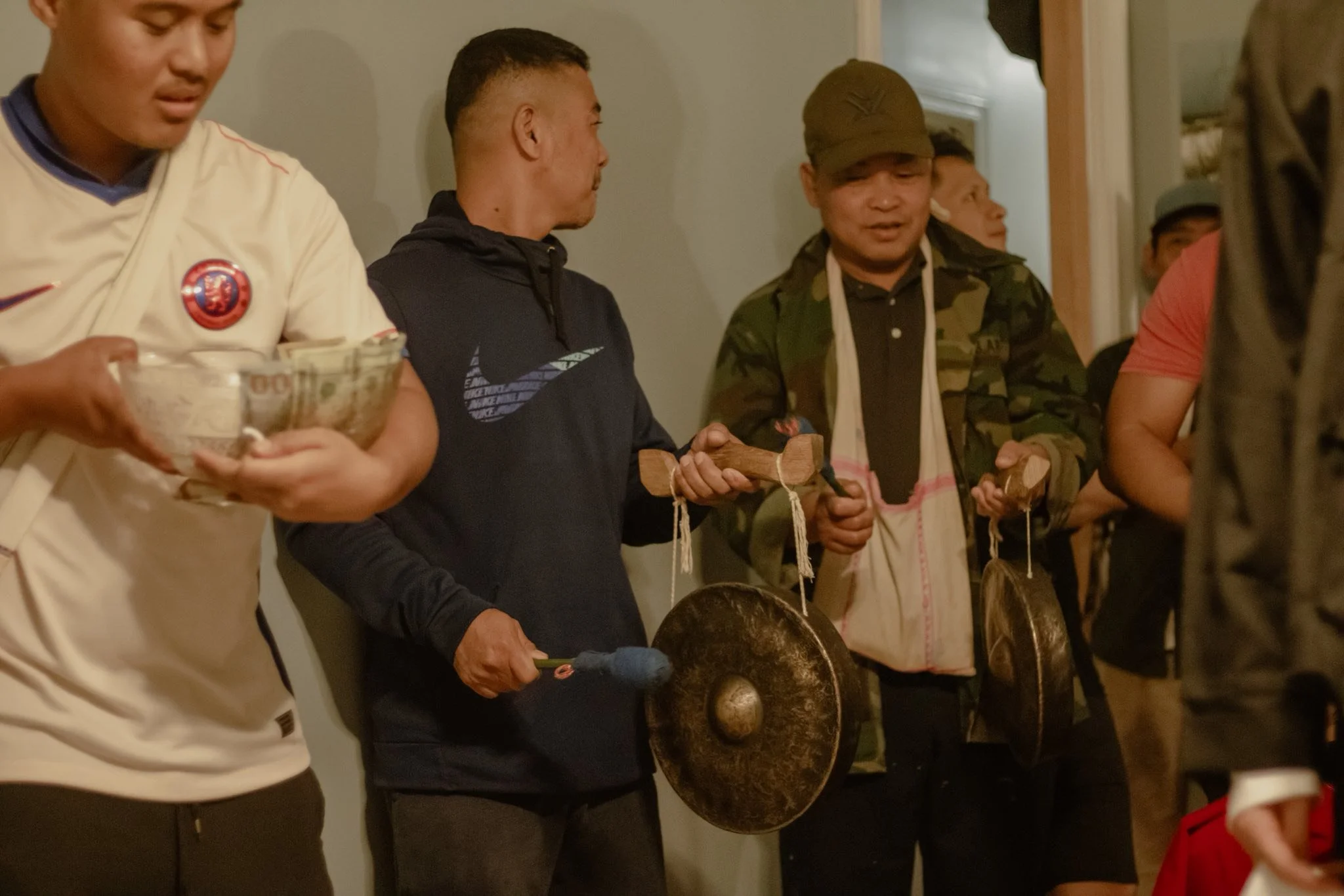
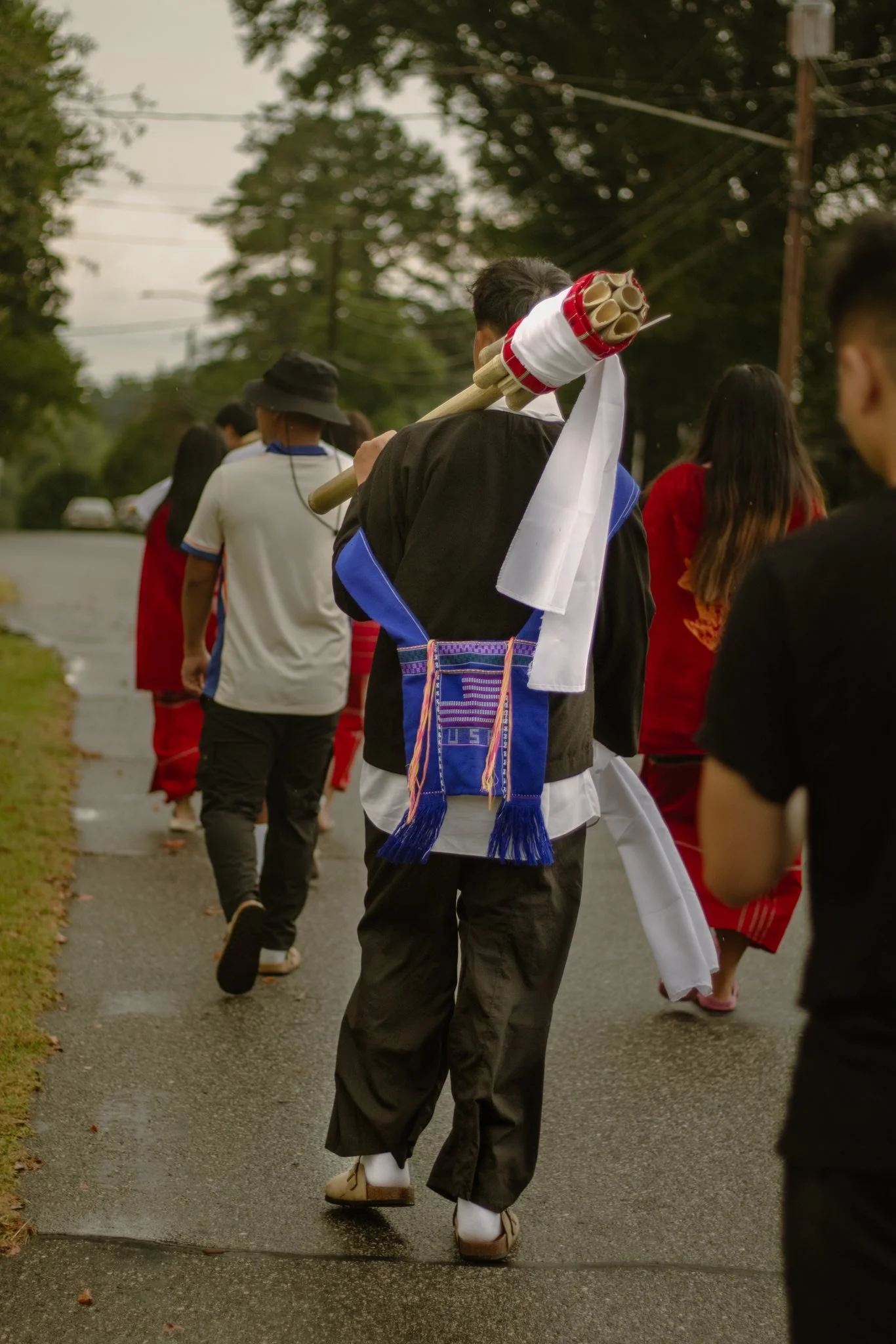
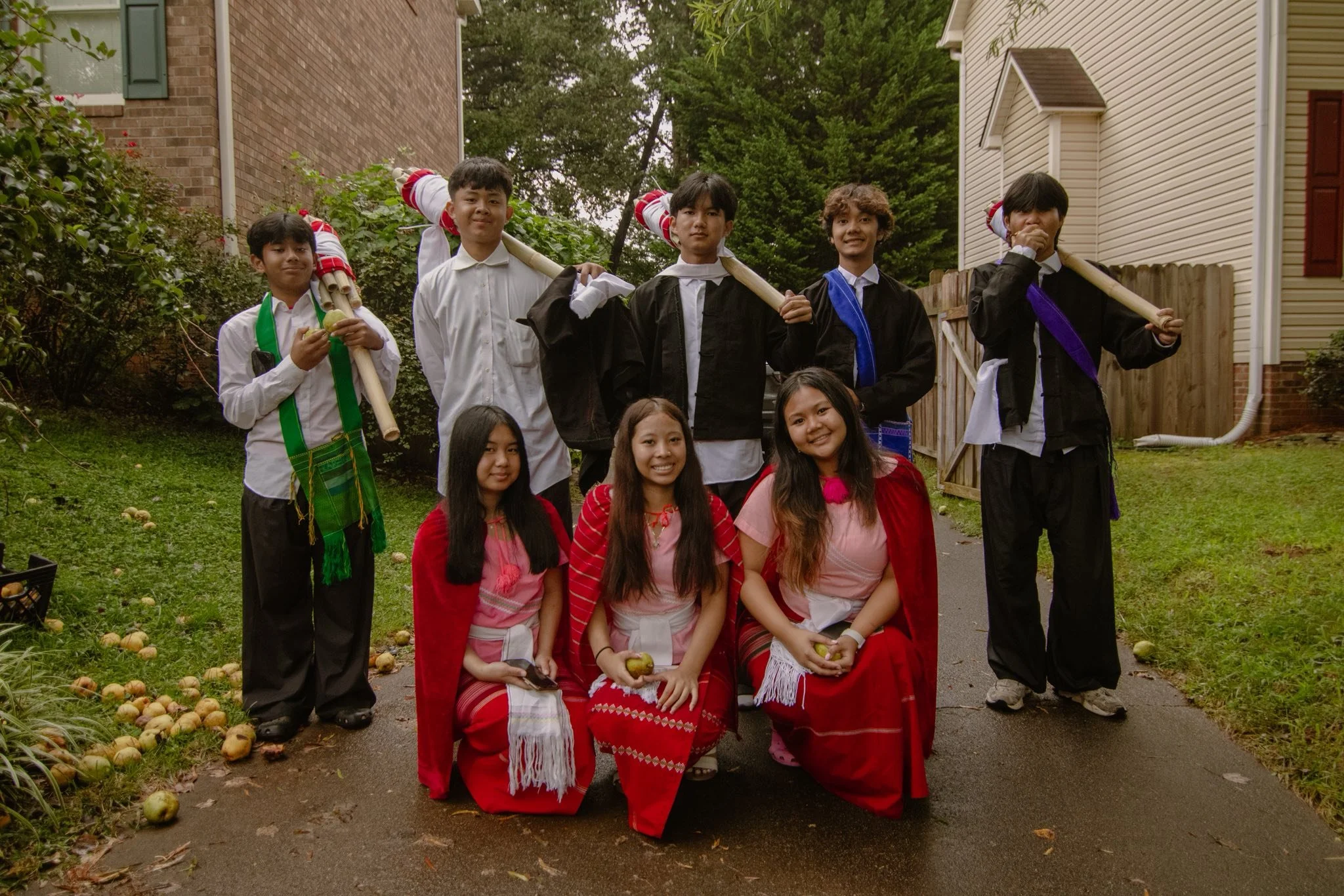
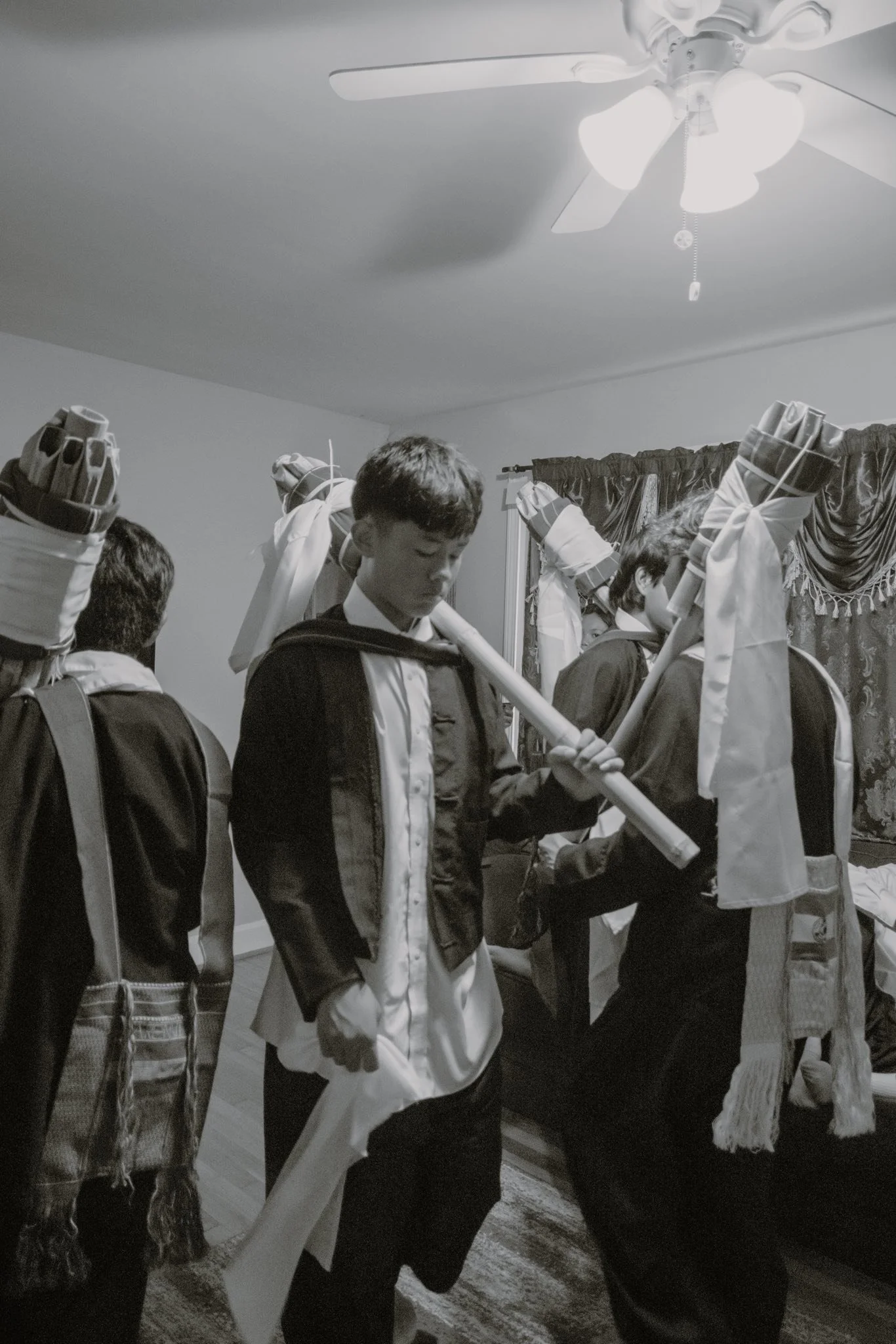
House-to-House Rocket Dance & Traditional Karenni Dance
Traditional DeeKu celebrations featuring house-to-house dances, music, and cultural performances that symbolize unity, joy, and the preservation of Karenni culture and traditions across generations.
Frequently Asked Questions
-
DeeKu is an important cultural festival celebrated by the Karenni people. It commemorates our ancestors’ fight for freedom from oppression and is a time for honoring our history, traditions, and unity. DeeKu celebrates Karenni resilience, cultural heritage, and the preservation of Karenni identity across generations and communities worldwide.